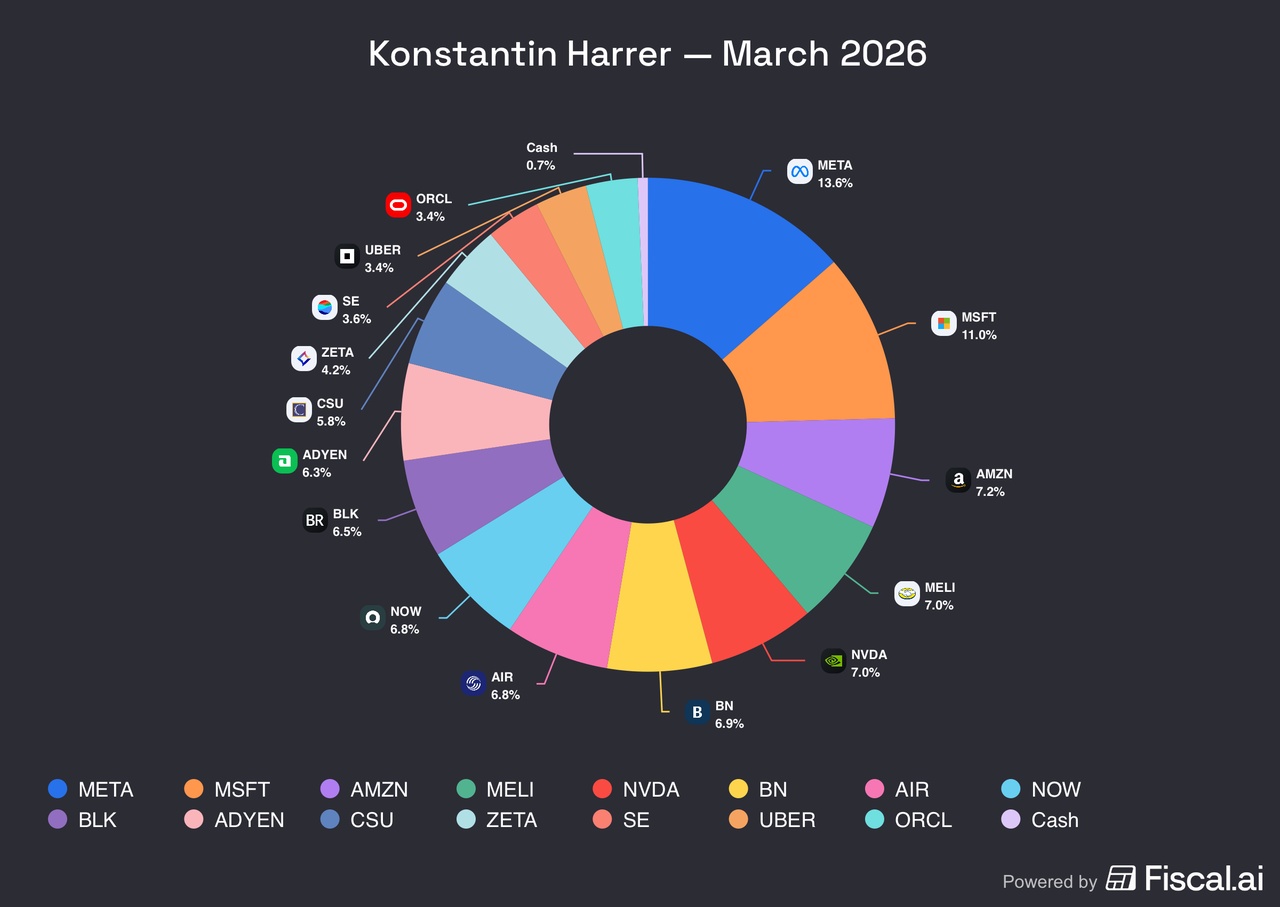
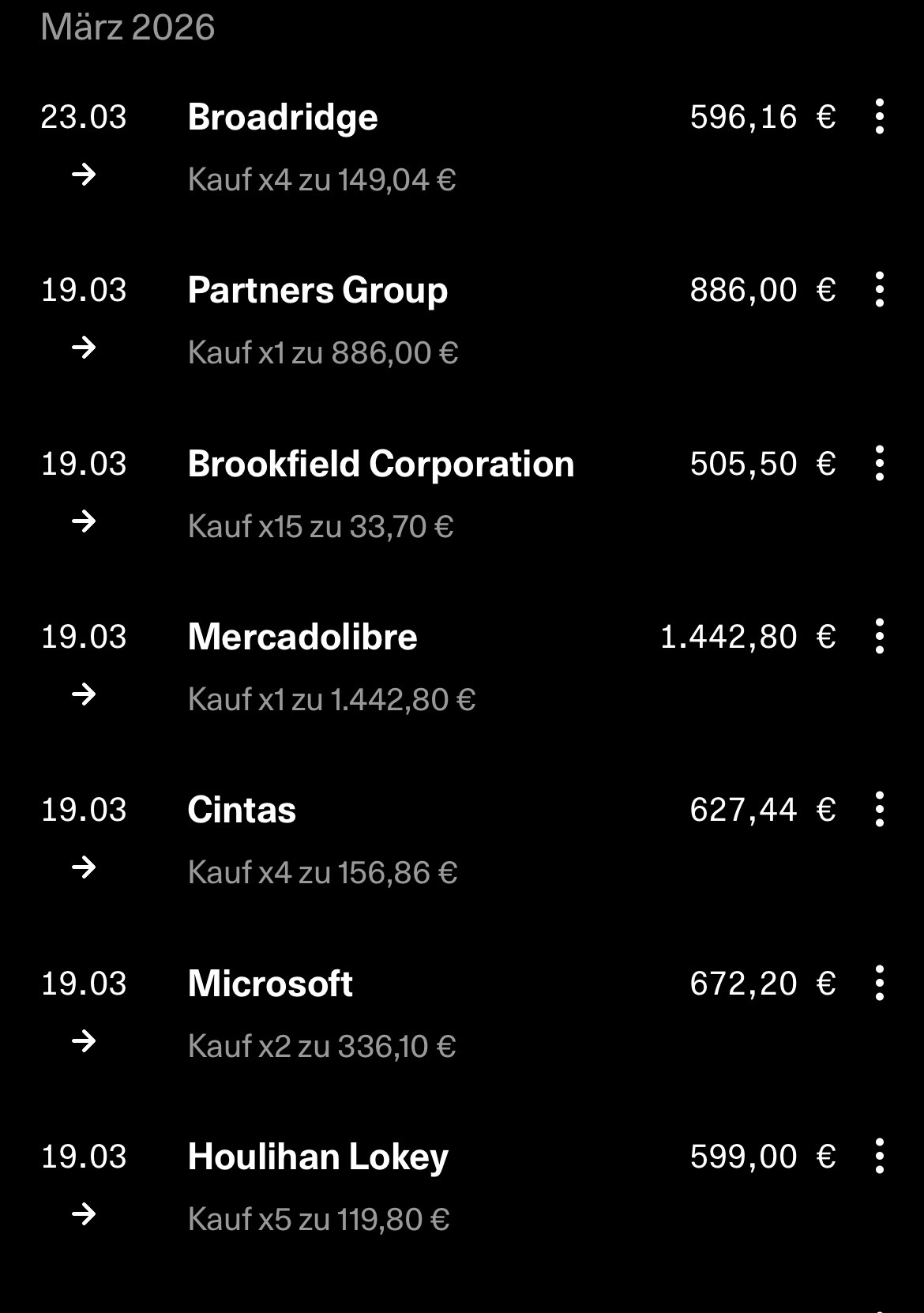
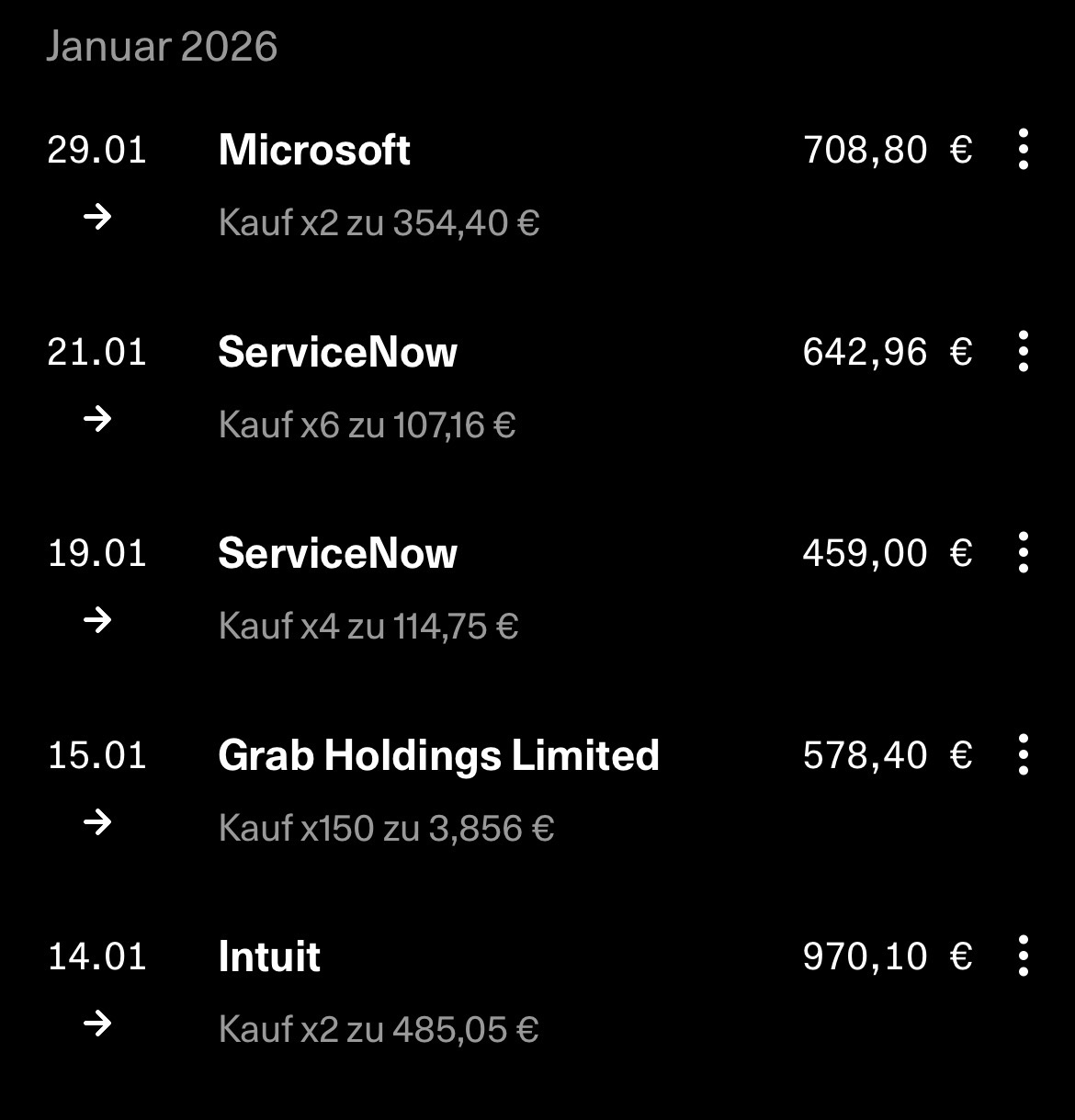
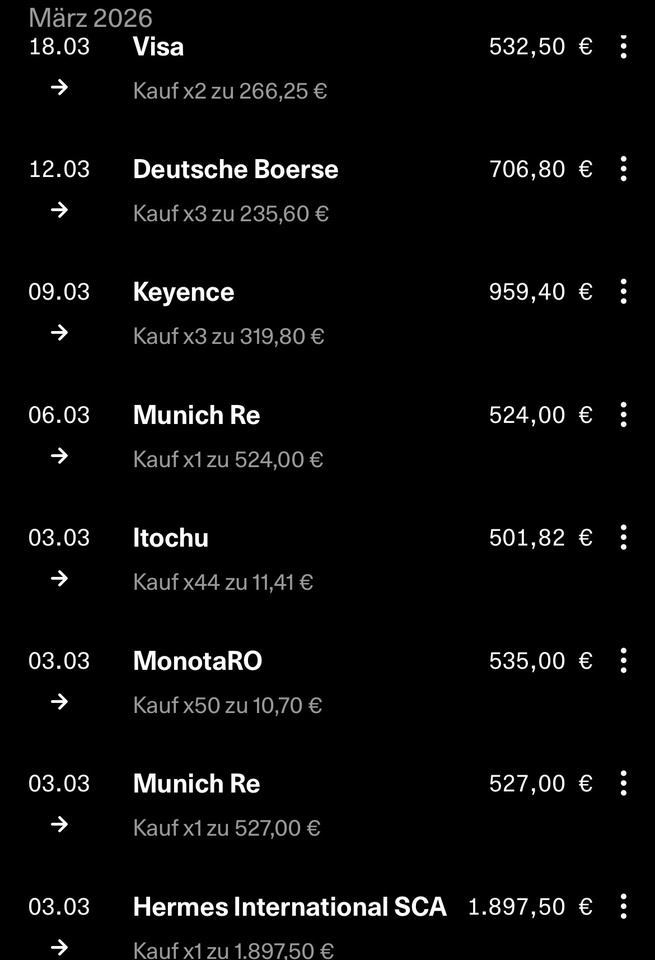
New month, and a few new trades.
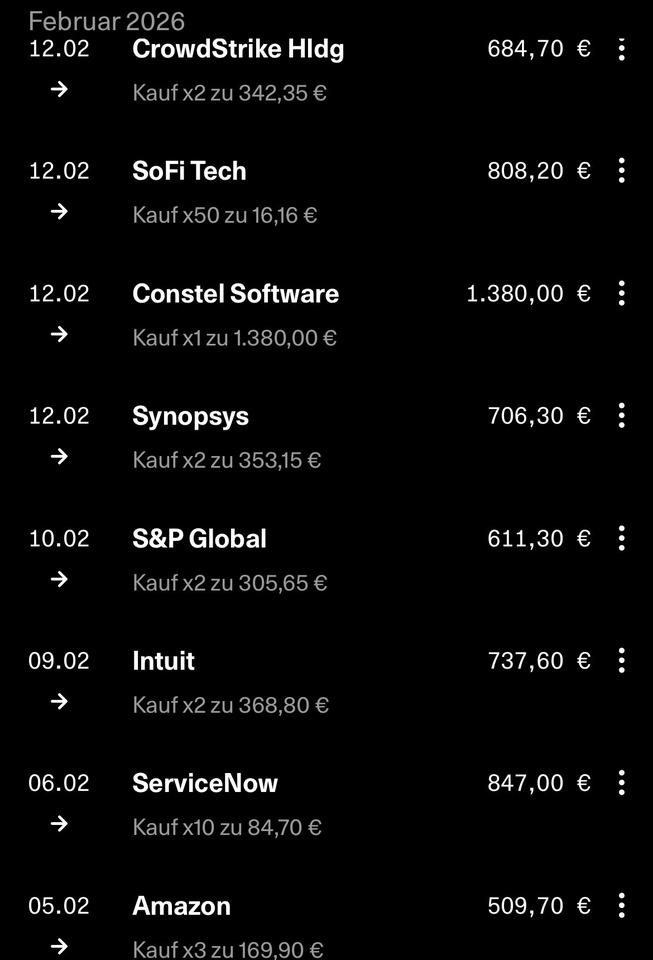
First, I should note that most of my activity happened in the first half of the month. After that, I tweaked my approach and now have a significantly stricter framework in place when it comes to replacing one holding with another.
As I’m 100% invested right now, the focus is clear: avoid overtrading and don’t switch one high-quality long-term compounder for another just because of a recent dip.
The month itself was largely driven by the Iran war and the effective closure of the Strait of Hormuz. But in my own portfolio, I didn’t try to predict the next tweet from Donald Trump. Instead, I focused on picking up high-quality companies at a discount.
On March 2, I mainly added to the e-commerce side of my portfolio, increasing positions in MercadoLibre and Sea Limited after both stocks sold off quite significantly.
Sea reported a strong quarter on the top line and continues to take market share, but profitability remains a concern. For me, however, market penetration is the key objective at this stage. Margins are a nice-to-have for now. MercadoLibre dropped below $1,700, largely driven by geopolitical noise rather than anything business-related.
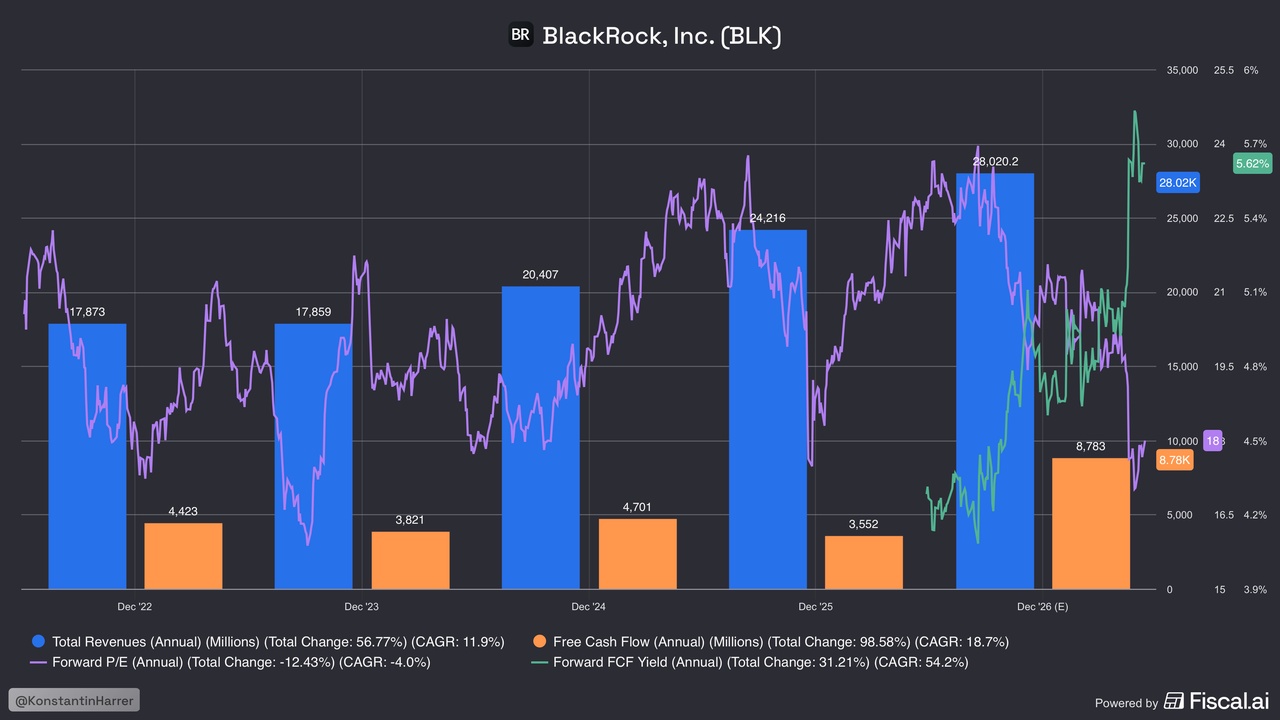
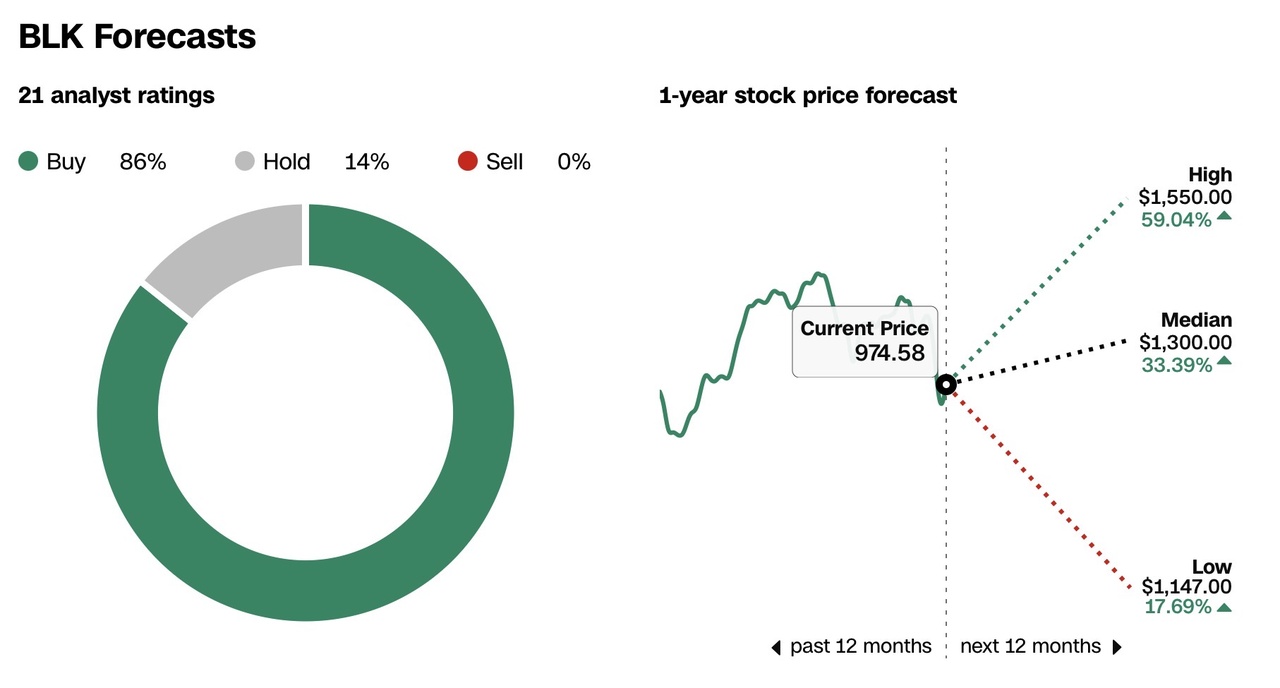
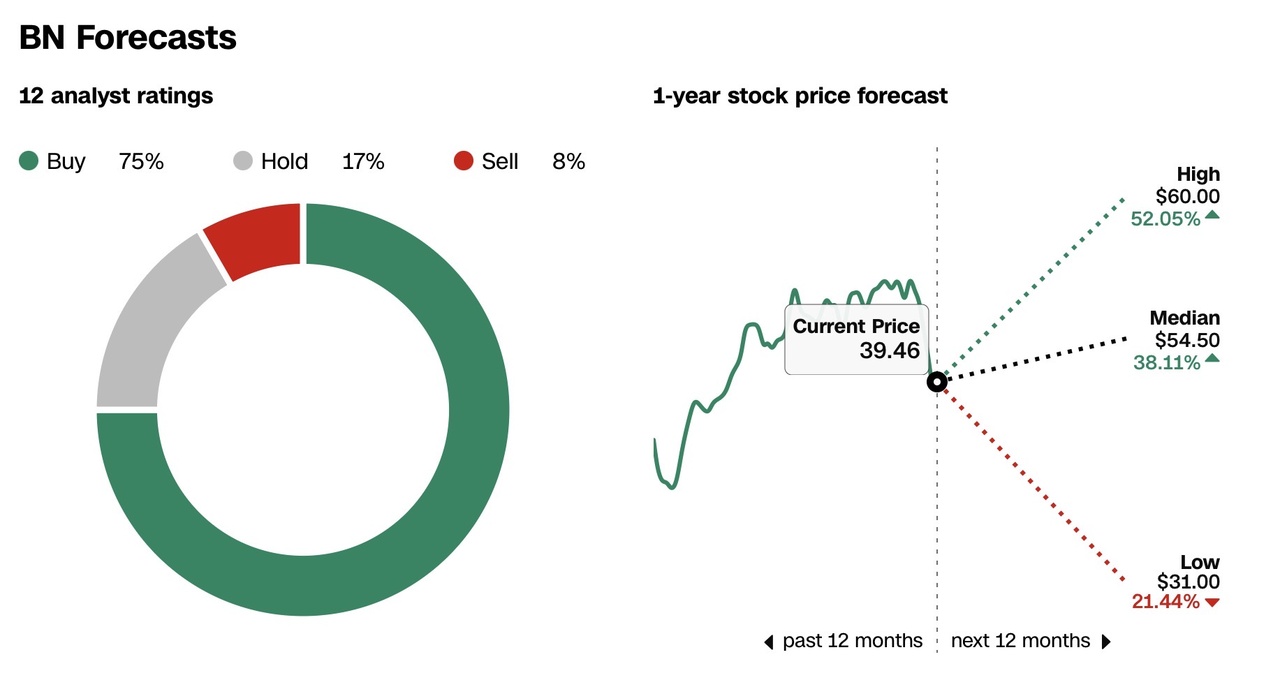
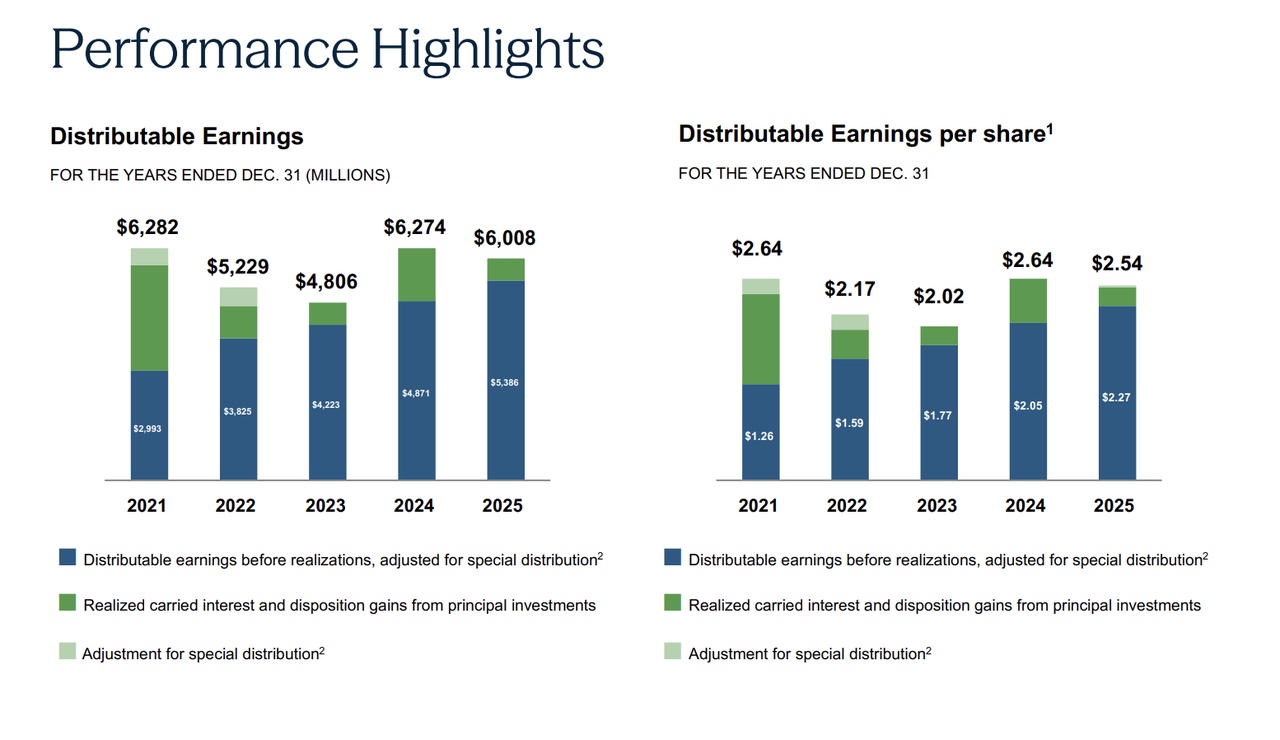
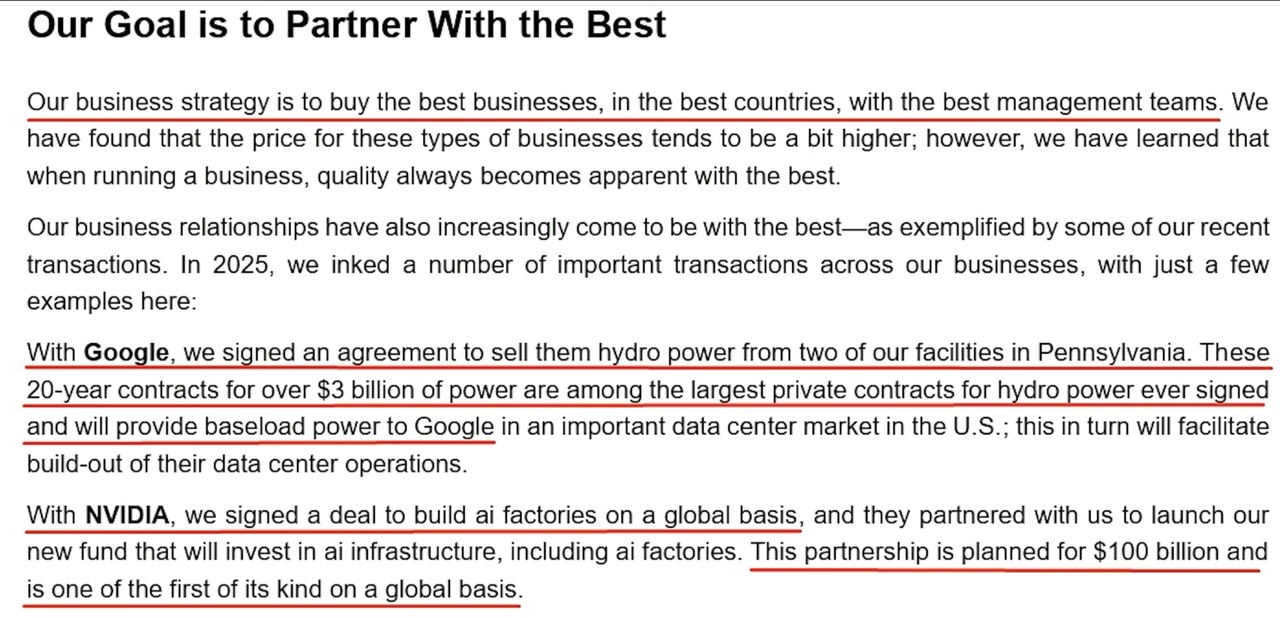
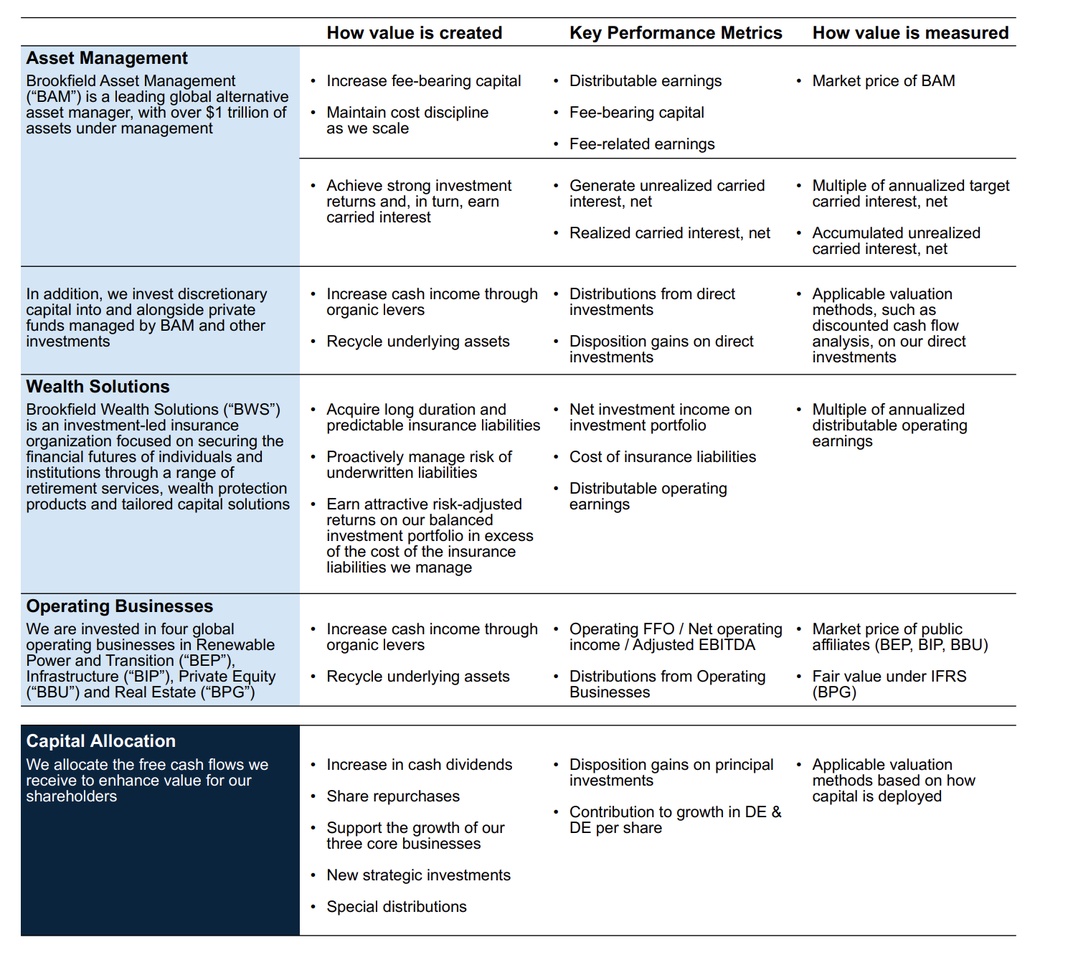
After that, things stayed relatively quiet until mid-month, when I made a few bigger moves. I sold my Netflix position, along with some fintech exposure, and redeployed that capital into broader asset managers that were caught up in the private credit selloff without being directly exposed: Brookfield and BlackRock.
I’ve already gone into detail on both buys and the Netflix sale in previous posts.
Around the same time, I also rotated my Visa position into Adyen. There are a few reasons behind that move which I’ll break down separately, but at its core it was a choice between “a bit more safety” and “safety plus stronger growth with European exposure.”
Into the second half of the month, the strategy became even clearer: double down on the most compelling opportunities. Risk/reward setups I’d almost call no-brainers.
I honestly didn’t expect to get another chance to buy Meta below $550 or Microsoft below $370. But when the opportunity presented itself, I took it. Both were already my largest positions going into the month, and they’ve only grown further.
The final addition, which I had been waiting on for a while and stayed disciplined for, was Airbus. I explained my reasoning a few weeks ago, but to sum it up, this was a classic case of short-term geopolitical noise overshadowing long-term quality. Airbus is a high-quality business with a backlog stretching years into the future and only one real competitor, which has its own well-documented issues.
Overall, I’m very happy with how the portfolio is positioned. The Iran war didn’t help performance, but I expect those pressures to ease sooner rather than later.
March Performance: -9%
Performance since inception: -5%
$META (-0,3 %)
$MSFT (+2,41 %)
$AMZN (+3,14 %)
$MELI (+1,82 %)
$NVDA (-0,56 %)
$BN (+0,82 %)
$AIR (-0,23 %)
$NOW (+1,13 %)
$BLK (+0,71 %)
$ADYEN (+2,18 %)
$CSU (+0,03 %)
$ZETA (+0,42 %)
$SE (+2,9 %)
$UBER (+1,92 %)
$ORCL (+4,72 %)