
Pipeline Offensive Against Swiss Dual Platform
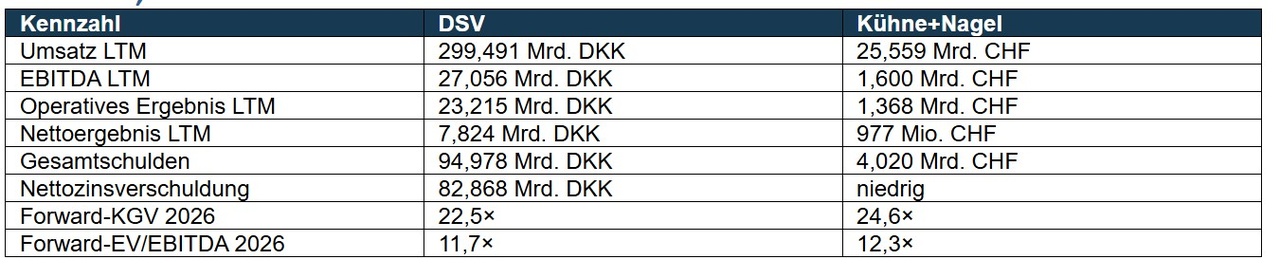
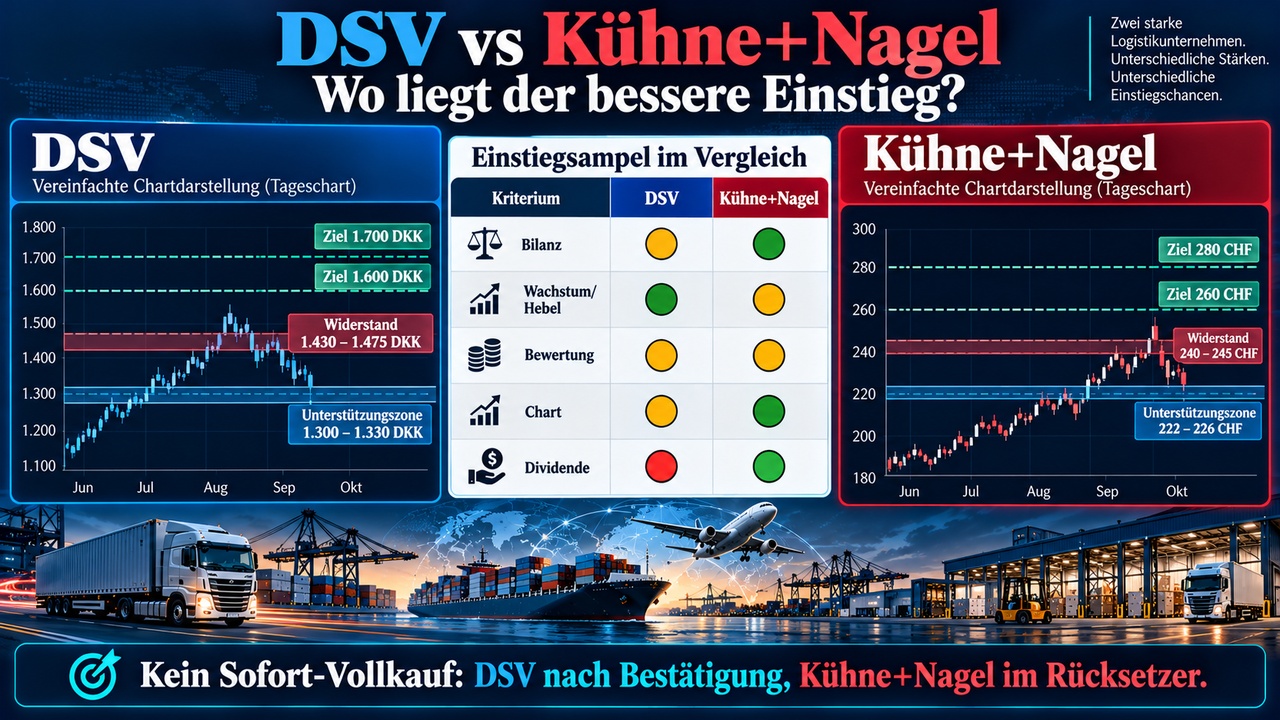
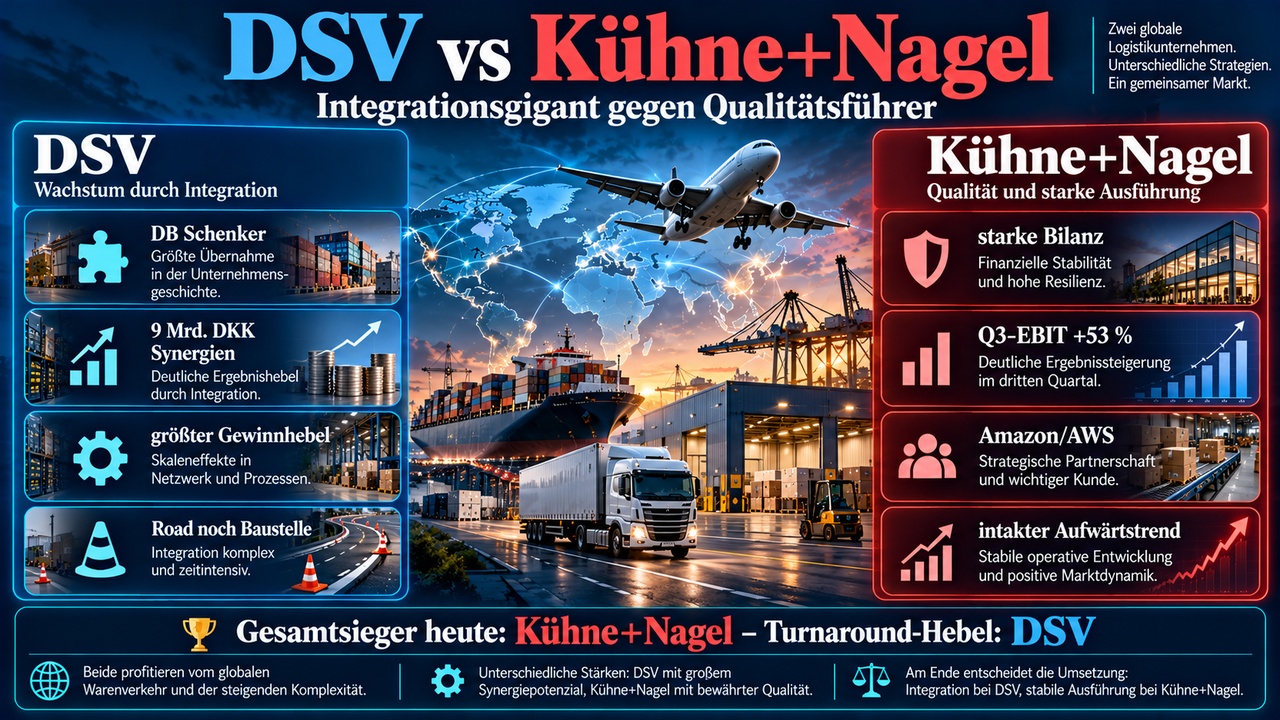
Following our foray into the world of logistics—DSV $DSV (+2,49 %) versus Kühne+Nagel $KNIN (+2,37 %) —we’re heading back to the healthcare sector today.
This time, however, it’s not two interchangeable pharmaceutical giants going head-to-head.
AstraZeneca $AZN (-0,13 %) and Roche $ROP (-0,53 %) are both among the world’s leaders, but they make their money in different ways:
AstraZeneca relies on an exceptionally broad drug pipeline and a rapid pace of development.
Roche combines innovative pharmaceuticals with its own diagnostics division.
That’s exactly what makes this comparison so fascinating.
On one side is the more aggressive growth-oriented company AstraZeneca with many late-stage clinical opportunities. On the other side is a Swiss quality company withgreater cash flow strength, decades of consistent dividends, and a unique combination of pharmaceuticals and diagnostics.
The question, therefore, is not only which company is earning more today, but which model will offer the better balance of growth, security, and valuation over the next few years.
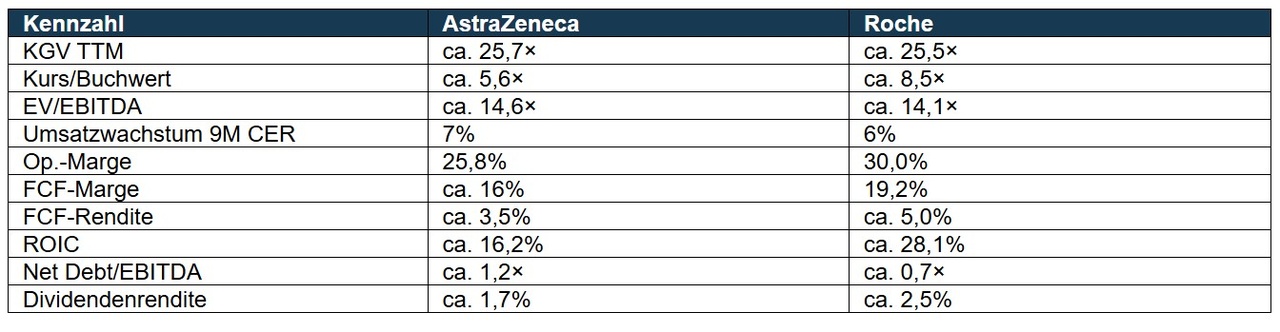
Financials and Ten Key Metrics
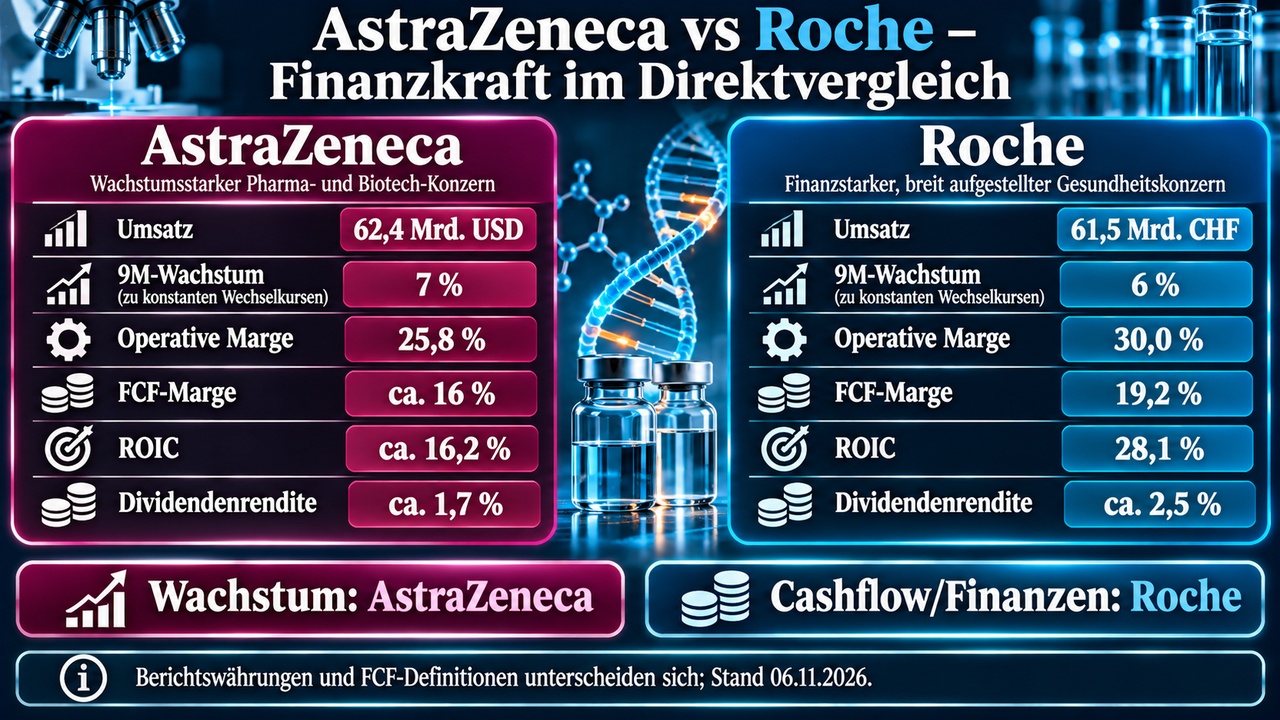
AstraZeneca reported revenue of $46.9 billion in the first nine months of 2026, up 7 percent at constant exchange rates. Oncology accounted for 47 percent of revenue and grew by 16 percent.
Roche reported revenue of CHF 46.5 billion, with 78 percent coming from pharmaceuticals and 22 percent from diagnostics. Roche’s five largest growth drivers generated a combined CHF 16.8 billion and grew by 12 percent.
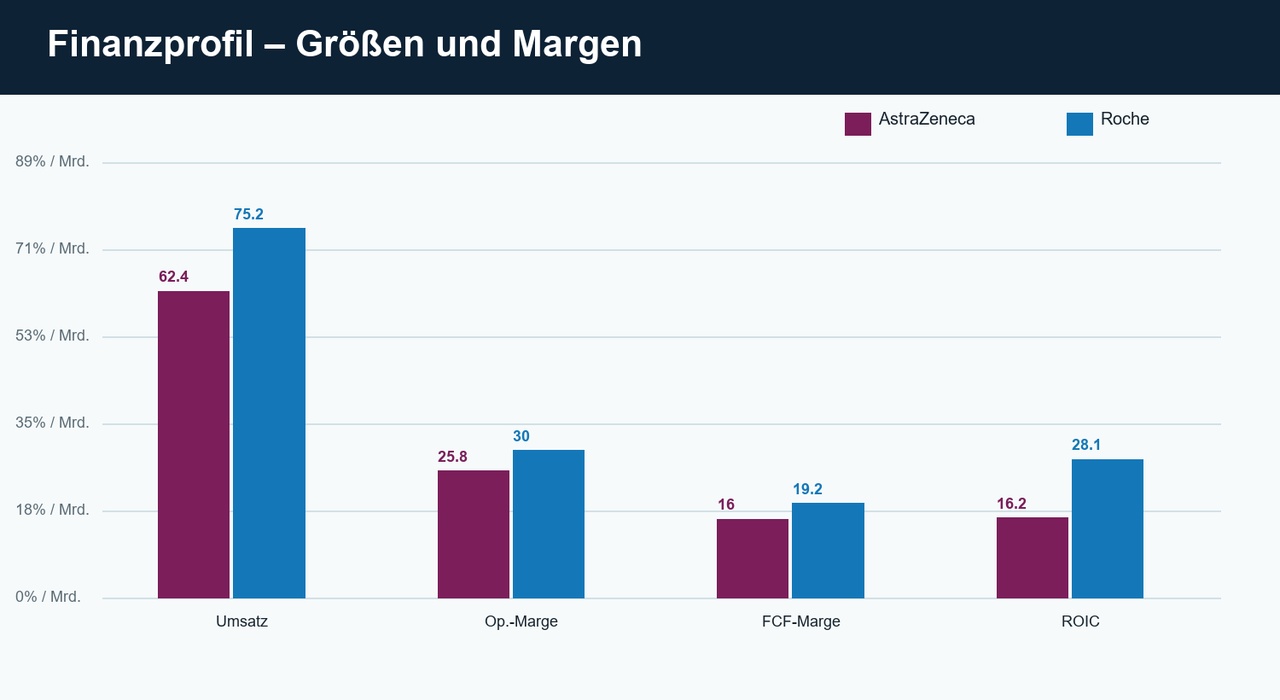
Roche wins the financial category: higher operating margin, better cash conversion, higher return on equity, and lower debt.
AstraZeneca is growing faster and increased its core EPS by 14 percent after nine months. Due to differing definitions of reporting and FCF, these figures should be viewed as rough estimates.
Pipeline: Where will tomorrow’s growth come from?
AstraZeneca lists 180 projects. Of these, 116 are new active ingredients or major lifecycle projects in Phase II or III; 20 new active ingredients are in late-stage development; and two therapies are under review. According to the company’s estimates, twelve positive Phase III results in 2026 are expected to have a non-risk-adjusted peak revenue potential of more than 10 billion USD.
Roche advanced five new potential drugs to Phase III in 2026 and aims to launch up to 20 new drugs by 2030. Its particular strength lies in the combination of drugs, diagnostics, and biomarkers. AstraZeneca leads in terms of visible breadth and pace; Roche scores with its integrated platform.
Important: The rumors circulating in 2026 about a possible AstraZeneca bid for Rhythm Pharmaceuticals are unconfirmed and are not included in the base case. The officially finalized Summit deal for Ivonescimab, valued at over two billion USD, is taken into account.
Shareholder Structure, Free Float, and Tradability
AstraZeneca has a single class of stock with equal voting rights and no controlling shareholder. BlackRock held 6.50 percent, Capital Group 4.97 percent, Wellington 4.20 percent, and Investor AB 3.33 percent. The estimated external free float of approximately 96.8 percent is not a company-defined figure. The London-listed stock trades an average of about 2.71 million shares daily and is highly liquid.
At Roche , the founding family pool controls 64.97 percent of the voting bearer shares. In addition, there are 702.6 million non-voting participation certificates. The ROP participation certificate is the more liquid class and trades an average of about 1.05 million shares over a 20-day period. A reliable company-reported free-float ratio per class is not available. Minority shareholders have little influence; however, practical tradability remains very good.
Verdict: AstraZeneca wins in terms of voting rights clarity and free float. Roche ROP is highly liquid but does not confer voting rights. A one-time narrow spread is no guarantee for every market phase, and free float should never be used as a synonym for liquidity.
Customer Concentration and Artificial Intelligence
Neither of the two companies publishes a reliable top-10 customer ratio. Therefore, the traffic light remains yellow: lack of disclosure does not automatically mean diversification. In 2025, AstraZeneca generated approximately 43 percent of its revenue in the U.S.; for Roche, the U.S. accounted for about 40 percent of its nine-month pharmaceutical revenue.
The direct risk of AI substitution is low. AI can accelerate target identification, study design, image analysis, biomarker development, and regulatory documentation. Roche has a unique data advantage through its diagnostics business, while AstraZeneca has a significant productivity advantage due to the breadth of its pipeline. Clinical validation remains crucial.
Dividends and Capital Allocation
Roche raised its dividend for 2025 to CHF 9.80—the 39th consecutive increase. At the current share price, this represents a yield of approximately 2.5 percent.
AstraZeneca announced a dividend of $3.20 per share, representing a yield of about 1.7 percent. Roche is thus the clear favorite for income; AstraZeneca is investing more aggressively in its pipeline and growth.
Technical Analysis and Entry Strategy
AstraZeneca is facing resistance at 142 to 144 GBP; the 128 to 132 GBP range offers the better risk-reward ratio.
Roche is maintaining its long-term uptrend but faces resistance at 405 to 419 CHF. The more attractive entry point for Roche is during a pullback to 376 to 385 CHF. Clinical news could cause the price to jump over stops, creating gaps.
Valuation and DCF
Both base-case scenarios are slightly below the current price.
AstraZeneca needs successful pipeline commercialization and normalized cash flows, Roche needs consistently strong margins and new products to offset patent expirations. The models are highly sensitive to the cost of capital and terminal growth and represent a range of expectations, not price targets.
My personal conclusion:
AstraZeneca
wins for me, 7.8 to 7.7 points.
The lead is so small that it says less about absolute quality than about the weighting.
Those who prioritize growth and the pipeline will choose AstraZeneca.
Those who place greater emphasis on cash flow, dividends, and balance sheet strength will choose Roche.
My conclusion, therefore, is not: buy immediately.
It is: wait for these two exceptional companies to reach the right price levels. AstraZeneca below 132 GBP or after a confirmed breakout; Roche preferably in the 376 to 385 CHF range.
What do you think? Does AstraZeneca’s larger pipeline win you over—or does Roche’s combination of pharmaceuticals, diagnostics, cash flow, and dividend continuity?
In the next stock showdown, Johnson & Johnson and Abbott Laboratories face off: a diversified healthcare giant versus a focused medical technology and diagnostics specialist.
Sources and Notes
AstraZeneca: Q3/9M 2026 Results, Annual Report 2025, official pipeline, stock, and dividend data.
Roche: 9M 2026 sales, Annual Report 2025, AGM/share capital data, as well as pipeline and dividend data.
SIX, LSE/FT market data, four provided charts, and two fully analyzed research PDFs.
Valuations, scores, traffic light ratings, and entry scenarios are based on my own model assumptions. This is not investment advice.
and, of course, all the others :)