There is also good news today:
Discussion about 9866
Posts
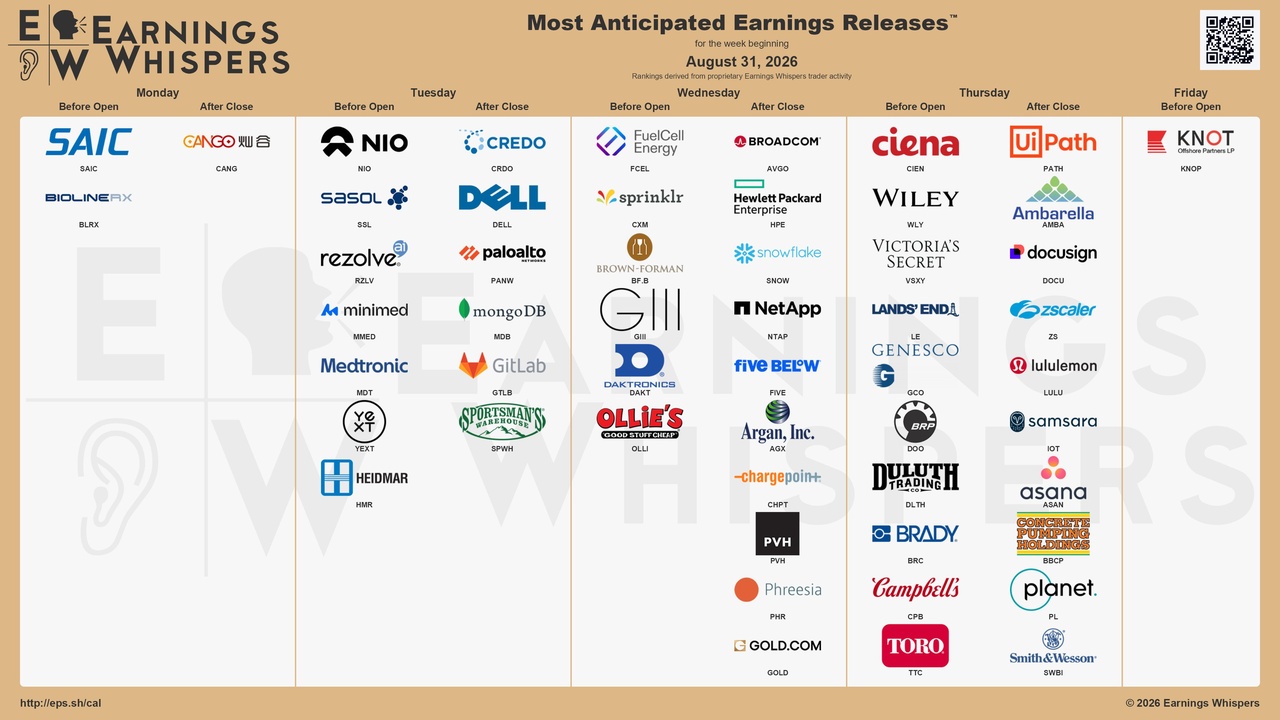
31Nio & CATL sign 5-year contract to deepen their collaboration in the field of long-life batteries and battery replacement networks
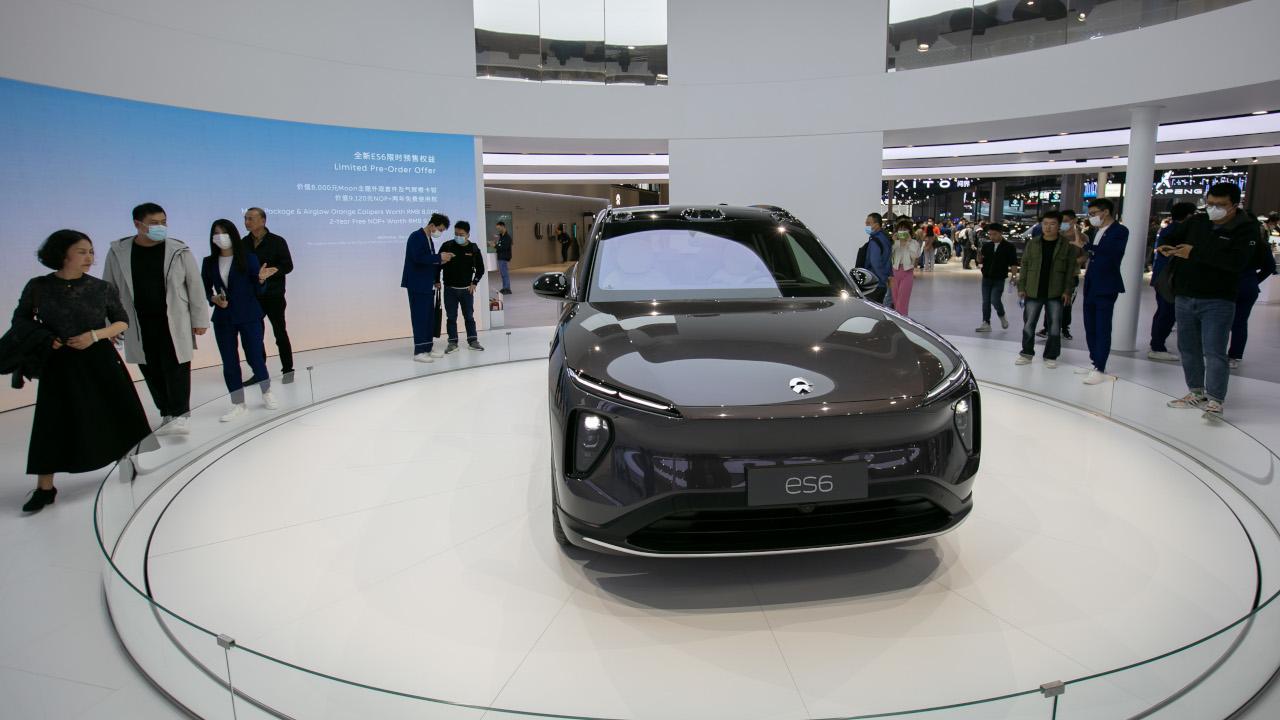
Nio Inc$9866 (+7.06%) and CATL $3750 (+0%) have signed a new agreement to strengthen their collaboration in the field of long-life batteries and battery back-up networks.
The two companies recently signed a five-year comprehensive strategic cooperation agreement in Hefei, Anhui Province. CATL's founder, chairman and CEO Robin Zeng and Nio's founder, chairman and CEO William Li were present at the signing ceremony.
Both parties will deepen their cooperation in the areas of technology, ecosystem and market expansion to jointly drive technological advancement and business model innovation in the new energy vehicle (NEV) industry and help Hefei build a world-class NEV industry cluster, CATL said in a statement today.
The strategic partnership marks a new phase of comprehensive synergies between Nio and CATL, the battery manufacturer said.
Through a systematic, long-term cooperation framework, both parties will jointly drive the transformation of the industry to provide users with safer, more efficient and sustainable electric mobility experiences, CATL said.
This represents a deepening of the relationship between the two companies, as Nio is reportedly increasingly reliant on CATL as a battery supplier.
Valuation framework - expectations, valuations and market logic (Part 3)
Reading time: approx. 5-6 minutes
After quarterly figures, I regularly read the same astonishment here: the figures were good - why is the share price falling?
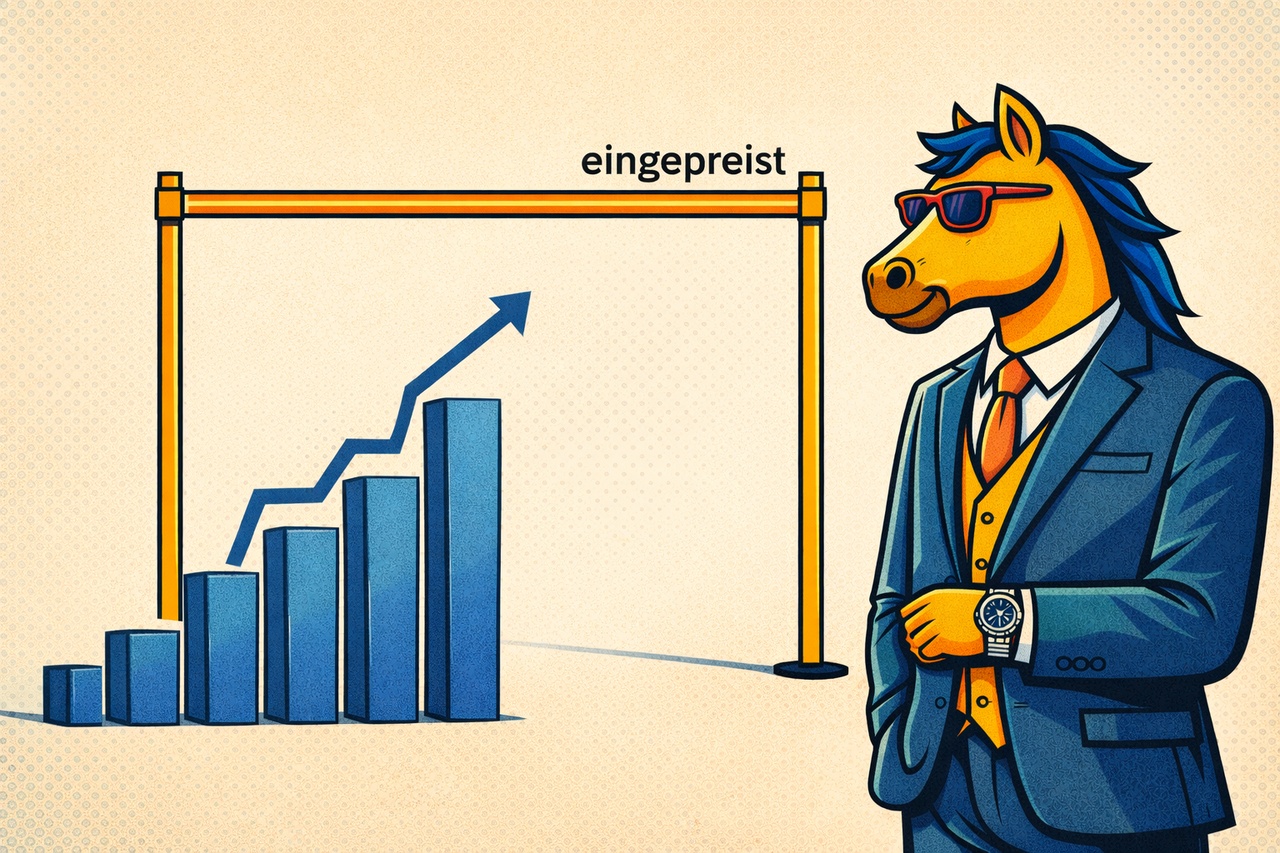
This question assumes that share prices react to figures. They don't. The market evaluates expectations in relation to price, not sales or profits in isolation. The decisive factor is the deviation between what is delivered and what the share price had previously assumed.
Expectations are not created in the earnings call. They are in the share price, or more precisely in the multiple. A company that trades at 30 or 40 times forward earnings implicitly carries very specific assumptions: high, preferably consistent growth, stable or rising margins, little operational friction and ideally additional upside potential. The higher this valuation level, the narrower the expectation corridor becomes. This is not a question of sentiment, but of valuation mechanics. If this corset no longer fits even slightly, a multiple adjustment is enough - and the share price reacts, even if the figures are objectively strong.
This is precisely why "good figures" are often not enough for highly valued companies. A quarter can be operationally convincing and still trigger a sell-off because it only confirms what was already priced in. In such situations, nothing has to change fundamentally. It is enough that growth rates normalize minimally, margins do not increase further or the guidance is formulated more cautiously. The market is then not renegotiating the business model, but the price it is prepared to pay for it.
A very clear example of this is NVIDIA. Operationally, the company has been delivering exceptional results for quarters: explosive demand in the data center, high gross margins, massive cash flows. Nevertheless, there have always been significant setbacks after figures. Not because the figures were bad, but because they were no longer clearly better than what the market had already assumed. With such valuations, "strong" is simply not enough - the bar is set at "even stronger". The business model remains intact, but the price is being readjusted.
I therefore approach earnings differently today than I used to. I am less interested in whether the consensus will be beaten, but rather whether what is delivered is sufficient to support the existing valuation. I try to understand which narrative the market is currently playing and which key figure is in focus. If growth is the narrative, efficiency alone is of little help. If cash flow is in demand, pure sales beats fall flat. I become particularly cautious when a share has a very clear narrative, is very widely loved and has a very high valuation. Then there is often less room for positive surprises than many people think.
This logic is currently particularly evident in several hot topics.
In the AI and semiconductor environment, the valuations of many companies are so high that even very strong figures hardly have any potential for surprises. Growth is assumed; sustainability, investment cycles and margin stability are crucial. Accordingly, the market reacts nervously to any hint of normalization. Typical examples from this environment are
$NVDA (+7.48%) (Nvidia), $AMD (+10.84%) (Advanced Micro Devices), $AVGO (+6.7%) (Broadcom), $ASML (+5.2%) (ASML Holding) and $INOD (+12.93%) (Innodata).
In the software and SaaS sector, the focus is shifting noticeably away from pure sales growth towards free cash flow, efficiency and return on capital. Companies can beat sales and still fall if margins or cash flow do not keep pace. The valuation grid has changed - and many reactions to figures can be explained in precisely this way. Examples of this are
$MSFT (+1.81%) (Microsoft), $CRM (+0.38%) (Salesforce), $NOW (-2.15%) (ServiceNow), $SNOW (+9.35%) (Snowflake) and $ADBE (+0.08%) (Adobe).
Electromobility and structural growth are particularly good examples of how a narrative can tilt. In the past, the focus was on unit sales and growth, whereas today the market is more focused on margins, price pressure and capital intensity. Figures that would have been celebrated a few years ago are losing their impact because they no longer address what is currently valued. Typical representatives of this area of tension are
$TSLA (+4.37%) (Tesla), $RIVN (+8.84%) (Rivian), $LCID (+13%) (Lucid Group), $BYDDY (+1.94%) (BYD Company) and $9866 (+7.06%) (NIO).
While high valuations and ambitious cash flow expectations in the software and SaaS environment mean that even decent quarters can quickly disappoint, the opposite is often the case with industrial and infrastructure stocks: lower expectations, more defensive positioning and therefore significantly more room for positive surprises after the figures. Here, stability or a slight improvement is often enough to trigger a revaluation. Examples of this are
$CAT (+6.69%) (Caterpillar), $DE (+2.89%) (Deere & Company), $HON (+1.59%) (Honeywell) and $VRT (+9.71%) (Vertiv).
For me, all this boils down to a sober but crucial realization: the market does not ask whether a company is good after the figures. It asks whether what was delivered was better, worse or exactly what the price implied. The higher the valuation, the tougher the test. Good key figures are necessary, but not a sure-fire success. They only work in conjunction with expectations and price.
Outlook:
The next part will deal with the flip side of this logic: why shares can rise after poor figures - and what role fear, positioning and asymmetric expectations play in this.
CATL plans to build over 2,500 battery exchange stations by the end of 2026
CATL $3750 (+0%) intends to increase the number of its battery changing stations by a factor of 1.5 next year, bringing it closer to its current annual target.
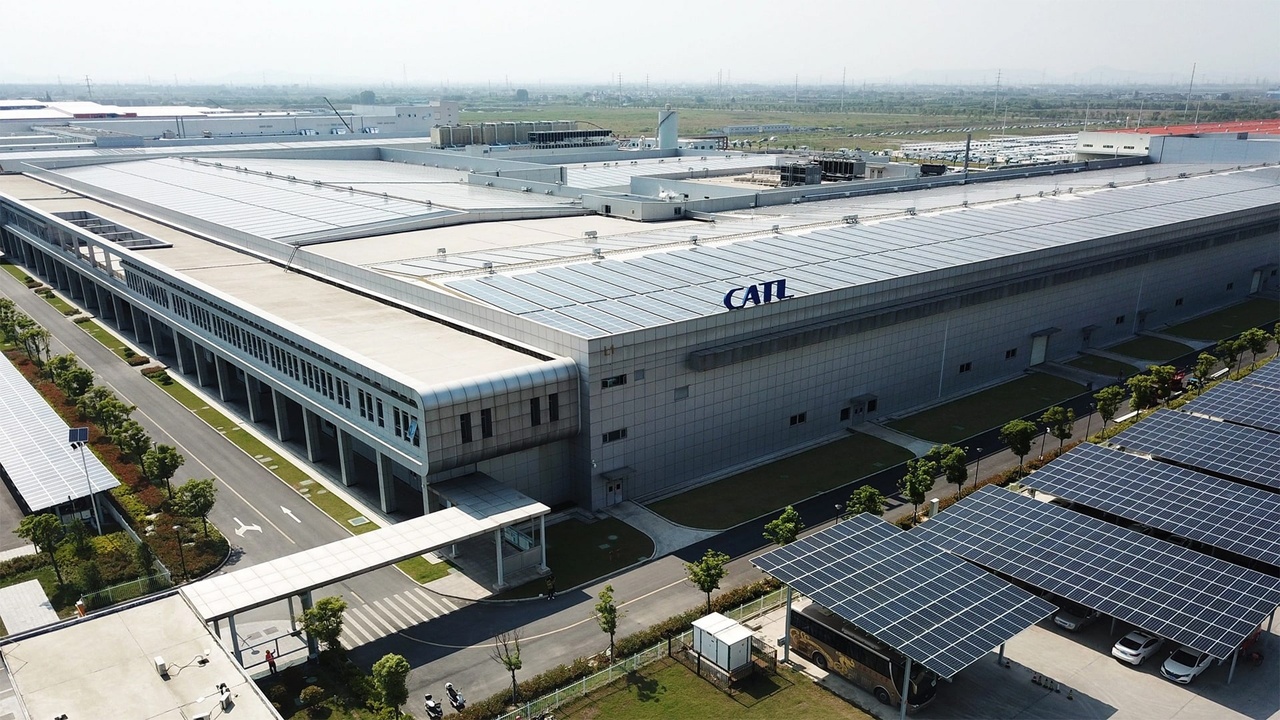
The Chinese battery giant plans to operate over 2,500 battery exchange stations in more than 120 Chinese cities by 2026, as its subsidiary Contemporary Amperex Energy Service Technology (CAES) announced today.
The number of battery exchange stations operated by CAES rose to 700 today (target 1000 in 2025), covering 39 Chinese cities.
In the fourth quarter, CATL is aiming to reach its target of operating 1,000 battery swap stations by the end of 2025, according to CAES.
CATL officially entered the battery swap sector on January 18, 2022 with the launch of its CAES-operated battery swap brand EVOGO. Previously, Nio$9866 (+7.06%) was the leading provider in this sector.
On December 18, 2024, CATL presented standardized battery packs for passenger cars at a Choco-SEB (Swapping Electric Block) conference and announced an ambitious infrastructure expansion plan.
The company aimed to have 1,000 battery swapping stations by 2025 and 10,000 in the medium term.
CATL announced last December that the first 1,000 stations will be built by CAES, while stations 1,001 to 10,000 will be built jointly by CAES and partners.
CATL's long-term goal is to expand its battery swap network to 30,000 stations. The 20,000th to 30,000th station is to be built in cooperation.
Last December, two new standardized Choco-SEB battery packs named No. 20 and No. 25 were introduced - similar to the gasoline grades in China named No. 92, No. 95 and No. 98.
By 2030, battery swapping, home charging and public charging will each meet one-third of the energy needs of electric vehicle owners, said Robin Zeng, founder, chairman and CEO of CATL.
The batteries can be charged slowly and gently and the customer is sometimes able to vary the battery size according to requirements.
The only problem is that vehicle manufacturers are still unable/unwilling to agree on a standard.
When this happens, the swap stations will be the replacement for today's filling station.
In Germany, this type of battery charging can be admired at NIO stations. Unfortunately, NIO has almost no market share in Germany despite its great vehicles.
How CATL wants to dominate the global battery replacement market
CATL $3750 (+0%)the world's largest battery manufacturer, is betting big on battery swapping as the next challenge in electric vehicle infrastructure, challenging the leadership position of carmaker Nio and reviving a concept once rejected by Tesla.
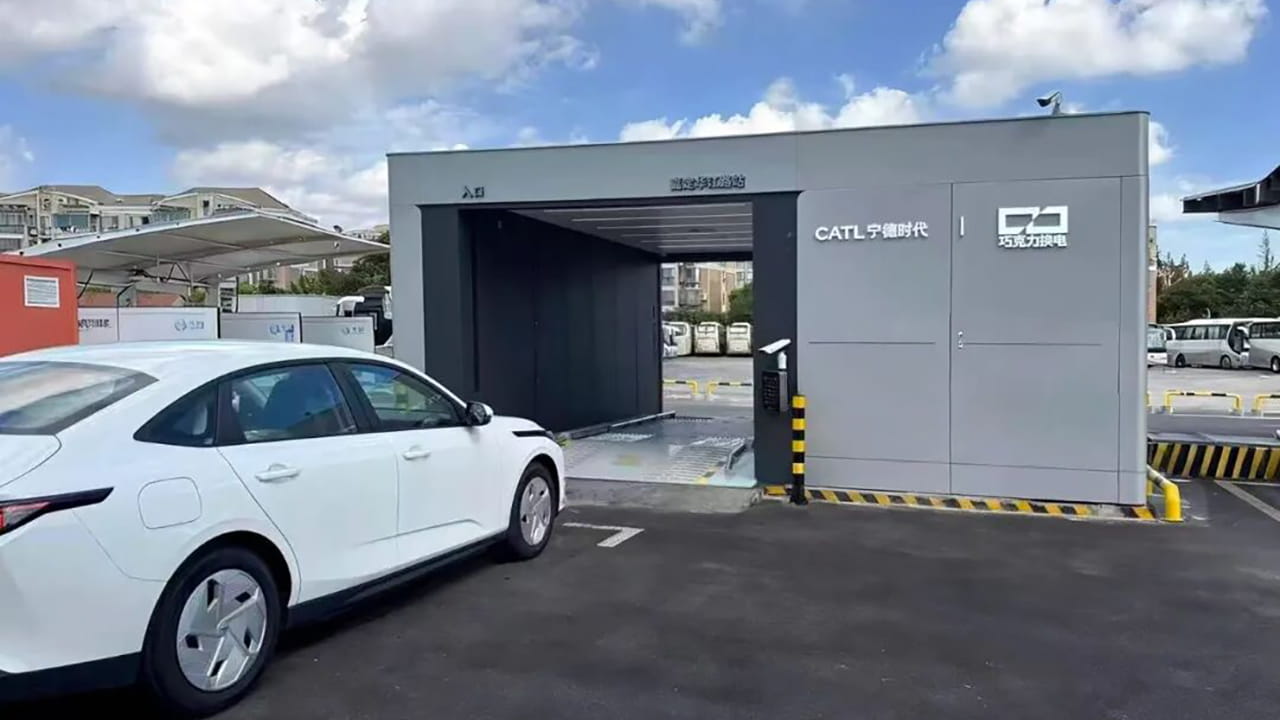
At a demonstration in Shanghai last week, the Ningde-based company showed how its "Choco Swap" stations can automatically swap out a dead battery in 70 to 80 seconds, with official specifications calling for a 99.99% success rate.
In contrast, a battery change on Nio's latest fourth-generation stations usually takes around three minutes.
With pilot trials of the fifth-generation stations due to begin in December, the company is expected to further reduce swap times, continuing the trend seen with each new generation.
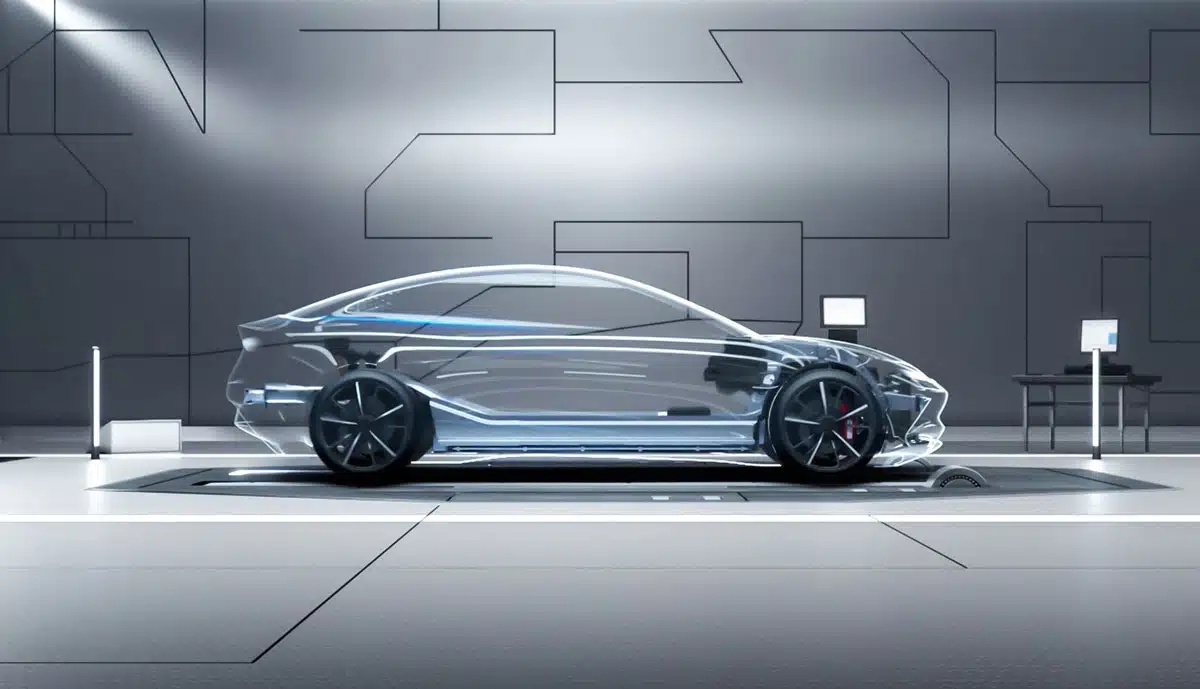
CATL's strategy is based on standardized, universal battery packs that are suitable for different brands and vehicle classes.
The first two product families, launched last December, include 42 kWh and 56 kWh lithium iron phosphate (LFP) packs and 52 kWh and 70 kWh nickel cobalt manganese (NCM) packs with a range of 400 to 600 km.
The batteries are modular and can be rented, exchanged or upgraded so that car buyers can purchase a vehicle without a battery, reducing the purchase costs by up to a third.
The stations store 14 batteries depending on the configuration and are compatible with vehicles with a wheelbase of 2.55 m to 3.10 m - from compact saloons to larger mid-size cars.
In future generations, CATL is aiming to store 30 batteries in each station.
Each system also integrates charging functions and is designed to enable battery-to-grid services, so that energy can be stored and redistributed at times of low demand.
CATL has already installed more than 500 exchange stations in 34 Chinese cities, 105 of which were installed in August alone.
The company is targeting 1,000 stations by the end of this year, another 2,500 in 2026 and more than 2,000 new stations in 2027, covering more than 100 cities.
By comparison, Nio opened its first station at the beginning of 2018 and has since built around 3,500 stations in seven and a half years.
The battery manufacturer is aiming for a network so dense that a station is available every 3 to 5 km in urban areas, with each station able to handle 500 to 700 changes per day once private vehicles are added to the current taxi-focused operations.
The roll-out was deliberately fast. CATL says it can select, approve and build a new station within a month, although the process is expected to take longer in overseas markets - particularly in Europe.
Unlike Nio $9866 (+7.06%)which initially built a network around its own vehicles, CATL is working with multiple car manufacturers from the outset to ensure wider compatibility.
The first Choco Swap-enabled models are expected to hit the market from 2025, including the Aion S sedan from GAC, the E-QM5 from Hongqi and the Roewe D7 from SAIC.
Further vehicles from BAIC, Chang'an, Wuling and SAIC's Rising brand are expected from 2026.
Nio, which pioneered this technology in China, operates more than 3,500 exchange stations in its home market and 61 in Europe, mainly in Germany and Norway.
The fifth-generation stations, scheduled to go into operation in 2026, will increase storage capacity beyond the current 23 batteries per site, a spokesperson for the EV battery swap division said.
However, expansion in Europe has slowed: earlier this year, Nio Power's team on the continent was reduced to just five employees, delaying further rollout.
The company has deepened its relationship with CATL, agreeing to a 2.5 billion yuan (US$345 million) investment in Nio Power from the battery company in March.
The two companies are also supporting Weilan, a battery start-up whose share capital tripled in May, as part of a joint research and development initiative.
CATL has said it will eventually launch the system in Europe, but executives said last week that the focus remains on China for now as there are "many challenges" overseas.
Vice president Jiang Li told the Financial Times earlier this year that the business model could be "copied" overseas once the domestic rollout is mature.
The company's relationships with Ford $F (+0.25%), Tesla $TSLA (+4.37%), BMW $BMW (+0.12%), Volkswagen $VOW (-0.98%) and Stellantis - all current customers of CATL batteries - could pave the way.
Stellantis $STLAM (-23.63%)which is building a €4.1 billion battery factory in Spain in partnership with CATL, has already started testing Fiat 500e vehicles with swappable batteries in Madrid through its Free2move mobility service, using technology from Californian start-up Ample.
For CATL, battery swapping offers both a hedge against slowing growth in demand for EV batteries and an opportunity to enter the consumer-facing infrastructure.
Unfortunately, it will remain a dream for a very long time to come.
Vehicle manufacturers use various different types of batteries. Be it the chemical composition, the design or the performance.
Therefore, a standardized system will unfortunately not work for at least the next 10 years.
The comeback of CATL's 8-series batteries signals an effort to regain supremacy in ternary cells.
Contemporary Amperex Technology $3750 (+0%) is reportedly preparing to launch a new 8-series of high-nickel batteries on the market in 2026. The batteries are to be installed in range-extending vehicles from leading electric vehicle manufacturers.
The high-nickel 8-series battery is a type of ternary lithium battery. Its cathode materials contain around 80% nickel, with the remainder made up of cobalt and manganese, which gives the battery its name.
》This chemistry was once in the spotlight《
A few years ago, dozens of models from more than ten brands, including Aion $AION (-0.01%), Nio $9866 (+7.06%) and Xpeng $9868 (+4.54%)were powered by 8-series batteries. However, the technology was still at an early stage, verification was incomplete and thermal management solutions were underdeveloped. Reports of thermal runaway effects were commonplace.
For a while, the industry treated the "8-series" label with caution. However, CATL insisted on not abandoning the development, arguing that abandoning 8-Series batteries would mean abandoning the premium market.
》Batteries with a high nickel content offer higher energy density and lower weight, but thermal stability and costs remain obstacles《
The trend towards larger batteries in plug-in hybrid cars, including range-extending models, has created an opportunity for the return of this technology.
Some of the extended-range models launched this year already have batteries with a capacity of over 60 kilowatt hours. According to 36Kr, plug-in hybrid vehicles, including those with extended range, will have batteries with a capacity of almost 80 kWh by next year.
Preliminary research by 36Kr suggests that at least four models with a capacity of around 80 kWh are already in the pipeline. These include the upcoming D-Series from Leapmotor $9863 and Xiaomi's range-extending model planned for next year $1810 (+5.08%).
While not all of these vehicles will be equipped with CATL's 8-series batteries, the race for larger batteries and longer range in pure electric mode creates a clear opportunity for high-nickel chemicals.
Compared to lithium iron phosphate (LFP) batteries, 8-series batteries offer higher energy density per unit mass and better overall performance. This allows vehicles with smaller batteries to achieve greater range, reducing overall weight while maintaining performance.
According to an industry insider, initial assessments indicate that the performance increase over mid-nickel batteries in terms of energy density at the system level is not dramatic.
Nevertheless, it is worth testing this technology for platforms that have already reached the limits of their technical capabilities.
》Cars are being equipped with larger batteries《
In recent years, the quest for greater all-electric range has led car manufacturers to install larger batteries in plug-in hybrid and range extender models.
Some of the vehicles launched on the market this year already have batteries with a rated output of over 60 kWh.
For example, the range-extended LS6 version from IM Motors is equipped with CATL's "Super Xiaoyao Max" battery, which delivers 66 kWh and offers a CLTC-certified range of more than 450 kilometers, outperforming some all-electric models.
》CLTC stands for "China Light-Duty Vehicle Test Cycle" and refers to a standard introduced by the Chinese government to measure energy consumption, range and emissions《
Another example is the S800 "Xinghui Executive" edition from Maextro, which is equipped with a Qilin battery from CATL and achieves a CLTC range of 400 km.
Almost half of all range-extended vehicles currently on the market offer a purely electric range of more than 200 km.
This trend will become even stronger next year.
Leapmotor's D platform will support 80 kWh batteries for several vehicles, including the D19 SUV and an MPV. Both are expected to achieve an all-electric range of 500 km.
Xiaomi's upcoming range-extended vehicle will also use a battery with a capacity of almost 80 kWh, while Great Wall Motor has confirmed plans for a plug-in hybrid model with an 80 kWh battery and a pure electric range of more than 400 km.
In addition, a range of 400 kilometers with an 80 kWh battery is a poor value with lousy efficiency. This means 20 kWh/100 km. Modern electric vehicles achieve more efficient values of approx. 25% below the values mentioned.
Battery manufacturers' technology will change significantly in the next 5-10 years. Rare earths will no longer be needed and the energy density per kilo will multiply.
Ranges of around 1000 kilometers, equal to diesel, will become feasible without increasing the size of the battery compared to today's batteries.
August 2025 Recap - And the winners are...
August was another outstanding month for my portfolio at eToro, closing with +14.19% growth.
S&P 500: +3.56% in August
Nasdaq 100: +2.86% in August
Looking at the bigger picture, my YTD performance is now +56.63%, while the:
S&P 500 is up around +10.80%
Nasdaq 100 is up around +11.63%
This clear gap shows that my investment formula – Fundamentals + Algorithm + Patience – is delivering results.
📈 Top performers in August:
Jumia ($DE000A2TSMN4 )
NIO ($9866 (+7.06%) )
Crypto.com ($CRO (-2.38%) )
PepsiCo ($PEP (+1.48%) )
StoneCo ($STNE (+6.52%) )
For September, my focus is on protecting the portfolio by diversifying further:
Expanding into Hong Kong
Adding exposure in Europe
Entering the UAE markets
This multi-market approach helps reduce risk while keeping opportunities open in different geographies.
👉 My strategy remains consistent: patience, fundamentals, and letting my algorithm highlight the right buying moments.
𝗧𝗵𝗶𝘀 𝗶𝘀 𝘁𝗵𝗲 𝗽𝗲𝗿𝗳𝗲𝗰𝘁 𝘁𝗶𝗺𝗲 𝘁𝗼 𝗰𝗼𝗽𝘆 𝗺𝗲 𝗼𝗻 𝗲𝗧𝗼𝗿𝗼—𝗱𝗼𝗻’𝘁 𝗺𝗶𝘀𝘀 𝘁𝗵𝗶𝘀 𝗼𝗽𝗽𝗼𝗿𝘁𝘂𝗻𝗶𝘁𝘆 𝘁𝗼 𝗴𝗿𝗼𝘄 𝗮𝗹𝗼𝗻𝗴𝘀𝗶𝗱𝗲 𝗺𝘆 𝘀𝘁𝗿𝗮𝘁𝗲𝗴𝘆.
😎 𝗗𝗶𝘀𝗰𝗹𝗮𝗶𝗺𝗲𝗿: This is my personal opinion and is for informational purposes only. You should not interpret this information as financial or investment advice.
Once again 212
So 1.5 weeks have now passed. The first gimmicks are over and my Watchlist Pie has returned a total of 4.5% in one week. This has now been sold and I have built up a pie to save for the next 8-10 years. I'm starting with 50€ a week until I've completed the broker's test phase. After that I'll ramp it up to about 1k per month.
There are still a few stocks missing, but the big ones will be scaled down a bit. Among others $IREN (+20.2%) ....
What do you think of the selection?
$NVDA (+7.48%)
$GOOGL (-1.59%)
$MSFT (+1.81%)
$AVGO (+6.7%)
$005930
$AMD (+10.84%)
$TSLA (+4.37%)
$IBM (+2.8%)
$RKLB (+13.89%)
$NU (+4.41%)
$SMCI (+12.36%)
$HIMS (-6.34%)
$ENR (+3.66%)
$HOOD (+14.04%)
$PLTR (+7.83%)
$CSCO (+2.56%)
$MTX (+1.2%)
$TTD (+3.3%)
$QBTS (+27.58%)
$9866 (+7.06%)
$CRWV (+25.79%)
And what of course should not be missing is $SIKA (+2.15%) These are still weighted at 2% 😉 As a craftsman, I really enjoy using the products myself. The technological progress compared to other products such as StoCretec or others is already enormous, but it would go beyond the scope of this article.
However, I see Tesla as doomed🙈🫡
Nevertheless, I wish everyone (who doesn't push Tesla as the most valuable company in the world) good luck :)
Trending Securities
Top creators this week