(This is not investment advice!)
$AAPL (-2,6%)
$MSFT (+2,97%)
$NVDA (+2,31%)
$AMZN (+2,2%)
$GOOGL (-0,1%)
$META (+2,09%)
$TSM (+1,61%)
$GEV (+5,68%)

Postos
2.025(This is not investment advice!)
$AAPL (-2,6%)
$MSFT (+2,97%)
$NVDA (+2,31%)
$AMZN (+2,2%)
$GOOGL (-0,1%)
$META (+2,09%)
$TSM (+1,61%)
$GEV (+5,68%)
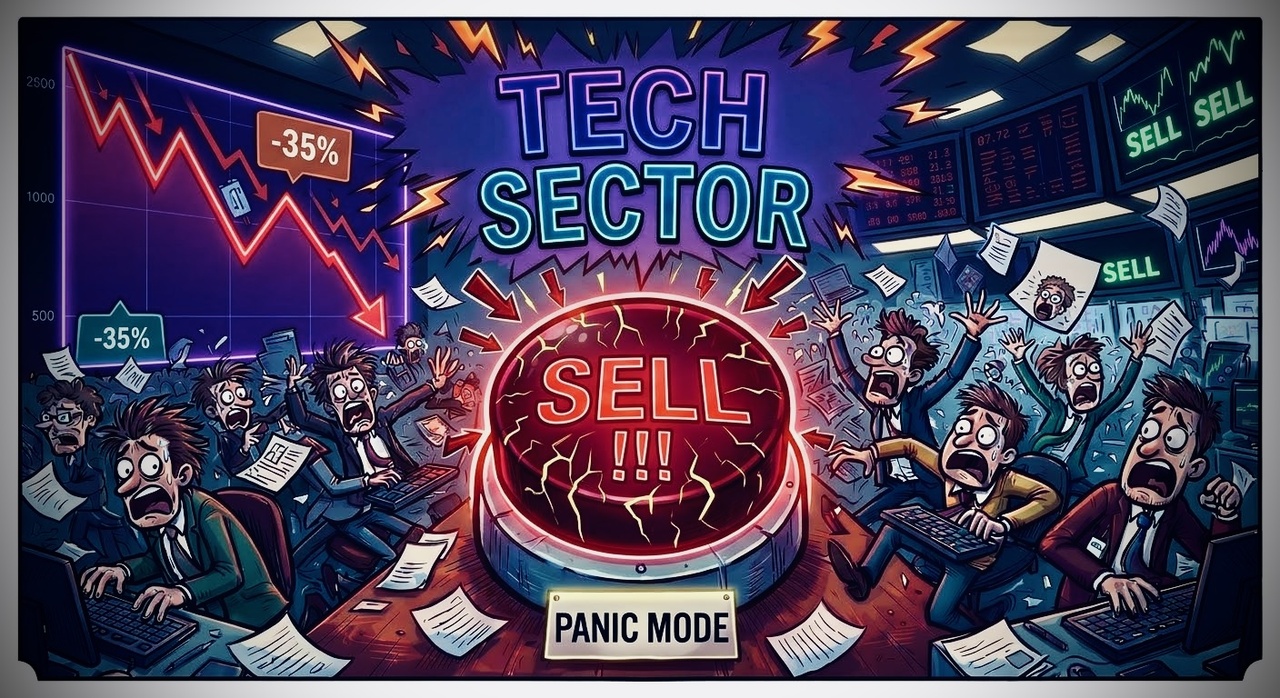
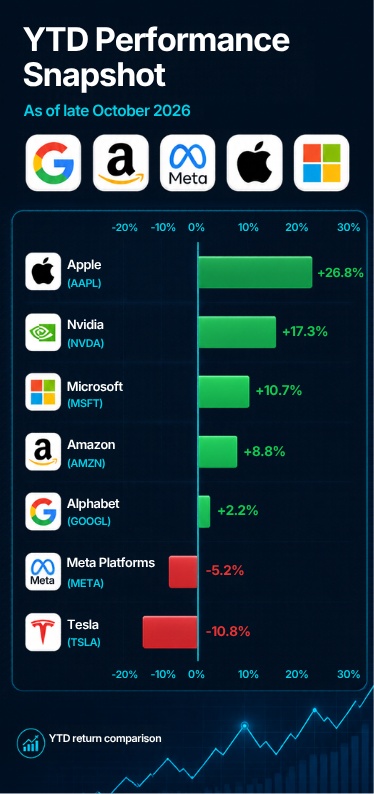
Mag7 in stock market 2026 • $AAPL (-2,6%) , $NVDA (+2,31%) , $MSFT (+2,97%) , $AMZN (+2,2%) , $GOOG (-0,22%) , $META (+2,09%) , $TSLA (-1,54%) still makes more high return performance to get large market cap. Its a reason they have cycle frame time for market position and many time to get split stock season makes be better performance every years.
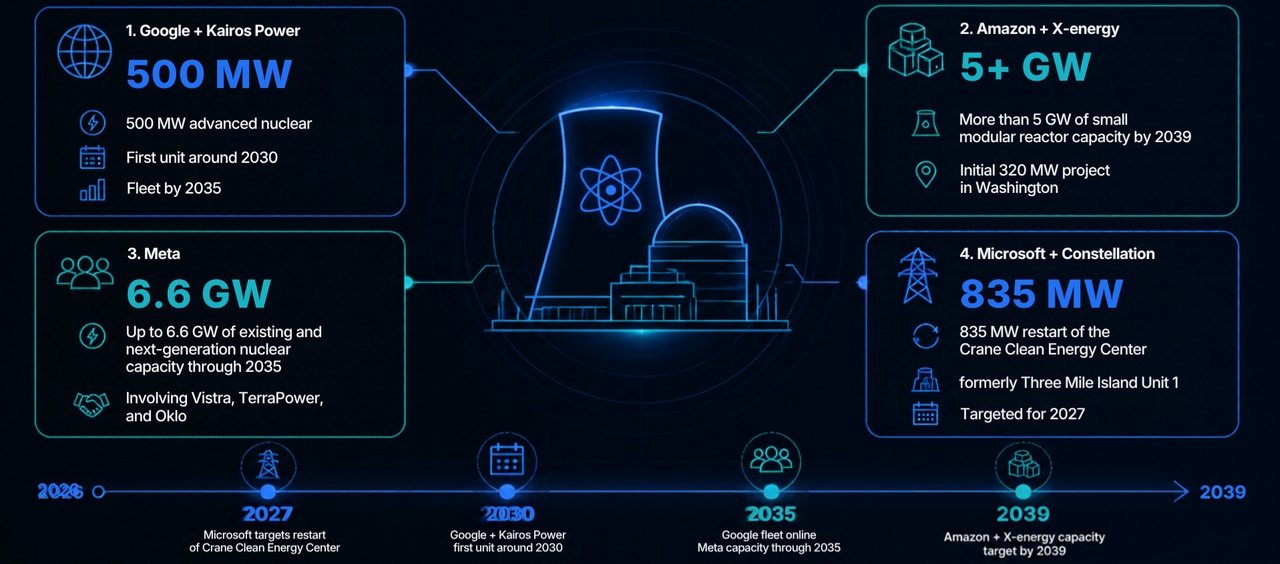
• Energy power and Data center get additional part in new projection for strategy in market business.
• ✅️ check point for S&P 500 market index run to 10,000 high price in position (2.400 point) from now around 7,600. Its momentum get to fast with market trends ■ 2027-2028-2029.
October 2026 Review
📊 Performance & Markets
🏆 Hot Factor Favorite: $NVDA (+2,31%)
👑 King Midas Factor: $MMM (-1,02%)
💶 1 Swiss franc traded at 1.08 euros.
Monthly performance for October: -0.3%
YTD: currently at +10% – which puts me 5 percentage points below my annual target.
₿ Crypto & Alternative Investments
Crypto: The savings plans continue as usual.
Timeless: No new individual purchases. Instead, I’ve once again invested €2,000 in the following: WKN: A4AWHP Timeless – Collectible Investments
Unitplus: The card feature will be discontinued in mid-December. I’ve @DagobertDog already published a post about this.
🍷 Winery: No news.
📈 Individual Stocks, ETFs & Savings Plans
🟢 Purchase: In November, I’ll pick out a few things again.
🔴 Sale: None.
🏅 Top of the Month: Opentext
📉 Flop of the Month: $CWR (+2,14%)
🚀 Crowdcube & Startups
No news.
🧠 Nao
The savings plans are continuing as usual.
🌴 Personal Recap
October was quite chaotic and had a lot to offer.
Right in the first week, I managed to swallow a fishbone in the cafeteria—for the second time already. Back on the ward, I had a quick phone call with our chief physician, who promptly scheduled me for an endoscopy after work. Unfortunately, he could only identify the lesion by then. With my EOE, something like that can quickly become uncomfortable. It resulted in a week of pain, but otherwise everything was fine. The beer at the European Darts Championship definitely helped with my recovery. 😁
Speaking of darts: Going out in Switzerland with two friends and blowing 150 francs on drinks in four hours—that’s something you can do once in a while.
The following week, it was time for our last vacation of the year. Bella Italia treated us to another week of sunshine. The most expensive thing during the whole trip was actually the parking garage in Venice: 25€ for four hours. Other than that, everything was pleasantly affordable: gas, coffee, pizza, and even our shopping spree.
Once we got back home, the spending continued right away. We needed a newer smartphone, and my wife got an e-bike. I also signed up for supplemental dental insurance and received the rate adjustment notice for my private health insurance.
As if that weren’t enough, the homeowners’ association meeting was also coming up. The result: a €300 back payment and an additional €35 in monthly maintenance fees starting next year.
In addition, my savings account was transferred to the Neo Depot.
All in all, it was a pretty expensive October. Despite all these expenses, though, I was still able to set aside a four-digit amount for the next extra payment
🎙️ Podcast: Season 3, Episode 1 Topic: Financial Goals.
🔮 Outlook for November
November should be a bit calmer, at least financially and organizationally. However, I only have one free weekend, so I’ll hardly have any time for other things.
Other than that, nothing special is on the agenda so far. The year is slowly coming to an end, and the final weeks of 2026 are just around the corner.
How about you? How was your October?
If you’d like to learn more, feel free to follow me. And if you don’t like my investments, just ignore or block me.



I received something quite interesting from a colleague today.
The exact source remains confidential for security reasons, and I’m only sharing a redacted version:
I’d like to show you the stock recommendation list from one of Switzerland’s largest universal banks and hear your thoughts on it:
THIS DOES NOT CONSTITUTE INVESTMENT ADVICE AND IS FOR INFORMATIONAL PURPOSES ONLY.
International growth stocks:
Technology (Top 3 – BUY):
$GOOGL (-0,1%): BUY – Price target at 584.55 USD – Revenue growth 15.2%, net profit margin 32.8%
$MSFT (+2,97%): BUY – Price target of 810 USD – Revenue growth 14.93%, net profit margin 36.15%
$NVDA (+2,31%): BUY - Price target of 542 USD - Revenue growth 114.2%, net profit margin 55.85%
Consumer Staples (BUY):
$LISN (+0,84%) Lindt & Sprüngli: BUY - Price target of 12,500 CHF - Revenue growth of 8.18%, net margin of 12.29%
Consumer Discretionary (BUY):
$AMZN (+2,2%) Amazon: BUY - Price target at $405 - Revenue 12.38%, net margin 10.83%
$MELI (-0,33%) Mercado Libre: BUY - Price target of 3,487 USD - Revenue 39%, net margin 6.9%
Also a BUY: $MC (+1,22%)
LVMH and $CFR (-0,55%) Richemont
Note:
Please keep in mind that this is a snapshot. The rating could change from BUY to SELL by the next day without being updated in this post.
If you find this post interesting, I may share something similar again in the future.
I find all the stocks mentioned here very interesting and have already given them some thought myself.
Just for fun, I opened a test portfolio and bought each of the mentioned positions at the current price for about CHF 1,000. Depending on the situation, I’ll sell them when they reach the stated price targets.
Let’s see what happens...
Let’s get rich... or something like that...
Feel free to save this post for later!
"No fears ~No hide" still get point from oil high level in market position this time after closing bell market index around 7722. What happen next month performance.
• Uptrend or downtrend with curve lines in chart then we have story in 2026 not worst or crash market when everybody look in from early 2026 get market performance
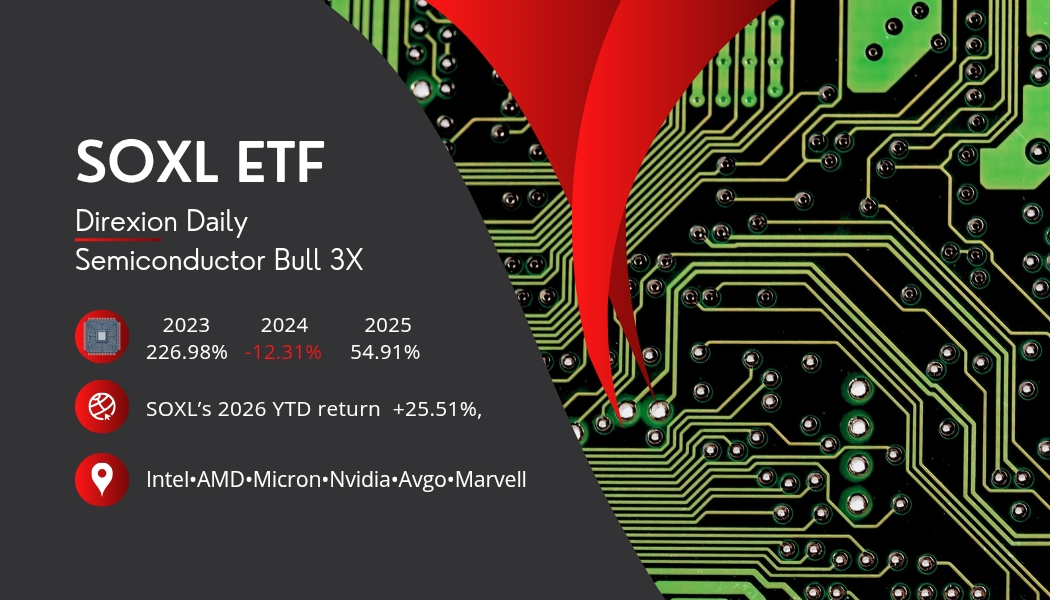
• Still hot topic and lines up with semiconductor sector after $SOXX (+2,14%)
have downward trend to 490 now back climb to around 510.
• Get be better performance and run to fast with average monthly returns. Now $SOXL get return YTD 25.51 % posibble still in good on track with stock market have cycle time frame after sell off last weeks.✅️
• $INTC (+0,77%) , $AVGO (+3,18%) , $AMD (+3,66%) ,$NVDA (+2,31%) , $MRVL (-1,65%) ,$ADI (+1,74%) , $NBIS (+4,85%) ,$CRDO , $COHR (+2,24%) , $SIMO (+5,64%)
■ $MU (+1,59%) , $SNDK (+3,34%) , $STX (+1,88%) , $WDC (+2,44%) , $ALAB (+0%) , $ANET (+2,58%) ,$LITE (-2,28%)
✅️ Check point this month and starting with new frame on market for 2029. Its enough when we start get time frame from 2024 to 2026. 💫👍
What happens to an industry where demand is skyrocketing but which suddenly can’t get any more money?
This question has been on everyone’s mind since yesterday. Elon Musk wrote on X that the credit markets had AI data center operators. Just a few days earlier, the Nebius CEO himself had admitted that key sources of capital had temporarily dried up.
1. The Statements
Context: Musk is a direct competitor to traditional Neoclouds, as he rents out GPU capacity himself—SpaceX could benefit from negative headlines.
2. Why a lack of capital affects the valuation:
Neoclouds build and buy first, but the money doesn’t come back for years.
This results in a simple chain:
1. Growth requires capital.
2. Capital becomes expensive or is no longer provided at all: CoreWeave bonds $CRWV (+5,42%) maturing in 2031 yielded at times nearly 16%. At this price, projects are barely profitable, so this funding channel is largely closed.
3. Valuations factor in high growth: The market has priced in years of capacity expansion.
4. This growth cannot be delivered without capital: What isn’t financed won’t be built. Lower growth → lower stock prices. On top of that, companies are raising capital by issuing new shares at low prices, which dilutes the holdings of existing shareholders dilutes and creates further downward pressure.
5. Valuations are coming under pressure: Growth expectations are falling, while at the same time the interest rate used to discount future earnings is rising.
4. How are different types of financing affected?
Closed channels:
Open, but tighter and more expensive:
Outstanding:
5. Why isn’t a booming business getting funding?
Investors aren’t short on money. $GOOGL (-0,1%), $AMZN (+2,2%), $META (+2,09%) and $ORCL (+5,9%) have invested over $228 billion in bonds.
The reason lies in the lender’s logic:
Has this ever happened before?
The pattern is always the same: When the capital market closes for a capital-intensive industry, the balance sheet, not demand. In these examples, macro-driven freezes lasted weeks to months, while freezes affecting an entire industry lasted about one to three years.
6. Which Neoclouds are affected
The key factor is the business model:
7. Conclusion
Overall, Musk’s statement is exaggerated, but essentially correct: For companies that only sell GPU rentals and don’t have customers with high credit ratings, the credit market is currently closed.
However, there’s a contradiction in this situation: What isn’t financed won’t be built, and that further reduces supply further, while Musk himself speaks of exploding demand .
Companies that can finance their capacity are likely to benefit from this.
Customers who urgently need computing power will become more aware of this problem, which could potentially increase prepayments for contracts. In addition, customers could use their own creditworthiness as collateral for their AI computing power providers or become lenders themselves.
In my view, therefore, one question above all else will determine the future of the industry:
Who can secure financing to sustain these growth rates?
The quarterly results in November will provide answers; particular attention should be paid to the financing structure and prepayments.
Sources:
https://x.com/elonmusk/status/2114434646914068862
https://x.com/chamath/status/2114389987563381004
https://www.youtube.com/watch?v=ElxZFG9lfmQ
https://www.sec.gov/Archives/edgar/data/0001513845/000110465926117978/tm2628078d1_ex99-1.htm
https://www.cnbc.com/2026/10/14/coreweave-stock-bond-yields-ai-debt.html
https://www.advisorperspectives.com/articles/2026/10/21/surging-yields-biggest-debt-sale-delay
Last week's Neocloud crash has $CRWV (+5,42%), $NBIS (+4,85%) and $IREN (+9,71%) sent it into a tailspin. What’s behind this, and what has actually changed for the future?
It all starts with the price of oil
Since the attacks on Iran, the price of oil has risen from ~$80 in August to over $106 per barrel. This is having a major impact on U.S. inflation:
The Fed raised interest rates on September 16 for the first time since 2023 raised interest ratesto 3.75–4.00%. The yield on 10-year U.S. Treasury bonds stood at over 5.2% at the end of September, the highest it has been since 2007. Added to this is a U.S. government that is sinking deeper and deeper into debt and must continually issue new bonds.
This is precisely where the problem with Neoclouds lies: The expansion of AI is largely financed by debt and competes for the same investors as the U.S. government. If a government bond yields over 5% with almost no risk, lenders will demand significantly more from a company that is still operating at a loss.
The trigger for the crash: CoreWeave’s bonds
On October 14, a chart went viral showing a CoreWeave bond worth $1.25 billion with a yield of just under 15% . It was issued in June at 9.625%. The credit default swap (CDS) is at a record high of 1,194.5 basis points; on October 6, it was still at 368.
According to standard calculations, this corresponds to a probability of default of over 60% within five years.
On the same day, Gartner added: By 2030, over 80% of Neocloud providers are expected to lose their independence. By then, AI data centers would generate at most $3.6 trillion in revenue, whereas $8.5 trillion would be needed.
Is this fear justified?
In CoreWeave’s case, partly yes. The higher market yield doesn’t affect the interest rate on existing bonds, but each new round of financing becomes more expensive, and CoreWeave’s growth depends on new loans. However, the 60% figure is a market price from a week of panic and not a forecast.
IREN and Nebius are in a different position
IREN has financed the Microsoft project $MSFT (+2,97%) at ~6% with $3.6 billion. Microsoft accepted Horizon 1 in August, and revenue has been generated since then. Horizon 2 through 4 are scheduled to follow in the fourth quarter; contractually, there is a buffer until early Q2 2027.
Information is currently circulating on X that Microsoft $IREN (+9,71%) is said to have provided incorrect network requirements, forcing the current Childress data centers to be have to be . Horizon 2 is reportedly delayed by ~45 days as a result; Horizon 1 will continue to operate and will continue to be paid for by Microsoft during the retrofit. Horizon 3 & 4 are not expected to be affected, as they will be completed directly with the correct network specifications. Thus, all four buildings are expected to generate revenue by the end of the year as planned. None of this has been officially confirmed.
In July, Nebius switched to a more capital-efficient model in which partners finance the data centers. In addition, advance payments from customers already amount to ~40–55% of the contract total, which alleviates a large portion of Neocloud’s financing risk. Added to this is the possibility of asset-backed financing, whereby the data centers themselves can be used as collateral for loans, thereby reducing interest rates. Nevertheless, the market treats the three companies—with their differing financing risks—as a single entity.
Demand points in the opposite direction
The GPU rental prices are rising: As of October 1, Nebius raised the price for B300 GPUs by 21% to $9.50 per hour—the second increase in three months.
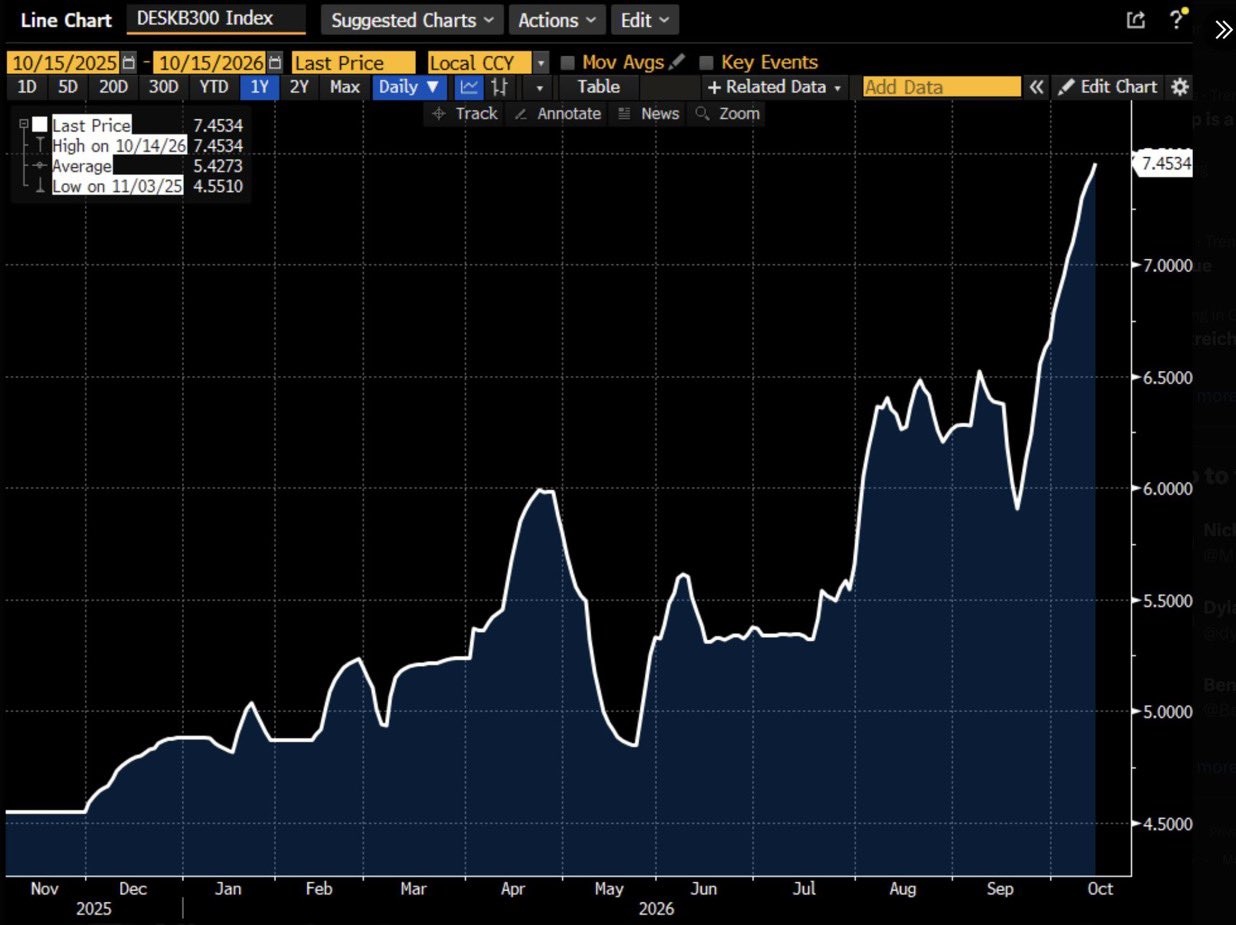
The DESKB300 Rental Index, based on actual rental transactions at U.S. neoclouds, reached a record high in mid-October, driven in part by inference using open-source models. This does not bode well for concerns that GPUs are depreciating too quickly.
GPU rental prices could also be influenced by rising financing costs and thus increase—so overall, this is more of a neutral process.
Jensen Huang told Bloomberg in Berlin on October 16: “All of this is going to pass.” AI will transform every industry, he said, and we’re only at the beginning. According to Huang, CoreWeave’s cost of capital is actually falling. The bond market saw things differently this week.
Time is the real bottleneck
A data center isn’t built in a single quarter. Securing land and a power connection often takes years, and the construction itself is complex. Neocloud stocks are bets on where these companies will be in three to five years, but they’re traded as if they had to deliver every week.
Even with growing demand, not all of them will make it. Some will repeatedly dilute their shareholders, some will be acquired, and some will fail.
What matters is how management finances the expansion and whether it delivers on its promises.
Sharp sell-offs, months of stagnation, and rallies after which everyone suddenly turns bullish again are all part of this sector and should be clear to every investor. A five-year thesis is difficult to gauge based on year-to-date performance.
Overall, the market is pricing in a financing problem—one that is particularly acute for CoreWeave—and applying it to the entire sector. At the same time, demand for computing power shows no signs of weakness—quite the opposite.
High long-term interest rates are the main risk for all players
If government bond yields remain above 5% for the long term, every new round of financing will become more expensive, and that affects all three companies. CoreWeave, Nebius, and IREN are only at the beginning of their expansion and will need to raise many billions more for data centers and GPUs in the coming years. More expensive financing therefore puts direct pressure on future returns. Against this backdrop, the sell-off is understandable, even if demand itself remains intact.
Key events to watch include Nebius’s earnings report, expected on October 22; the Fed meeting in late October; and the acceptance of Horizon 2. Additionally, the course of the conflict (Iran & the U.S.) must be closely monitored, as it will significantly shape future developments.
Not investment advice
Sources:
https://www.bls.gov/news.release/cpi.nr0.htm
https://www.bls.gov/news.release/ppi.nr0.htm
https://www.sec.gov/Archives/edgar/data/0001878848/000187884826000052/iren-20260630.htm
$ORCL (+5,9%)$APLD (+8,72%)$CIFR (+16,23%)$GOOGL (-0,1%)$MSFT (+2,97%)$AVGO (+3,18%)$AMD (+3,66%)$INTC (+0,77%)$HUT (+15,32%)

By Emily Bary
DOW JONES--According to Elon Musk, SpaceX has secured $40 billion in debt financing amid widespread skepticism toward artificial intelligence (AI). This will enable SpaceX to acquire graphics processing units (GPUs)—a type of AI chip—Musk announced on X, a platform he also owns. SpaceX is rapidly expanding its Neocloud business, through which the company leases access to chips to businesses that need AI computing power.
Musk explained that SpaceX’s investment-grade rating and the company’s diversified business model—which includes revenue from rocket launches and Starlink satellite technology—made the transaction possible. In a separate post, Musk noted that the debt consists “primarily of callable debt for GPU purchases to be delivered in the first and second quarters” and that the agreement would not be a “material factor” in the current quarter. SpaceX did not immediately respond to a request for comment on the debt financing.
In recent weeks, investors had become increasingly nervous about debt financing in the AI sector—particularly in connection with Neocloud companies like Coreweave, which rely on debt to fuel their growth. The pressure on Coreweave’s bonds has caused unease across the tech landscape, partly due to the close interconnections among large corporations. Coreweave did not immediately respond to a request from MarketWatch for comment on Musk’s remarks.
“Over the past few weeks, the credit markets have almost completely cut off access to funding for nearly every company that cannot demonstrate significant revenue independent of AI data centers,” Musk wrote in his X post on Sunday. He also predicted that “more than 200 Neocloud providers will experience a Guppy-level mass extinction and a wave of consolidation.” “Some will make it through, but not many,” he added.
Musk further hinted that his company would not be part of any future industry consolidation. He wrote: “SpaceX isn’t buying any Neoclouds. Completely pointless.”
Contact: redaktion.de@dowjones.com
DJG/DJN/hab/mgo
(END) Dow Jones Newswires
October 26, 2026 04:15 ET (08:15 GMT)
(c) 2026 Dow Jones & Company, Inc.
$SPCX (+2,86%)
$CRWV (+5,42%)
$IREN (+9,71%)
$HUT (+15,32%)
$NVDA (+2,31%)
With $BRNT (+0,04%) in record highs and Trump in talks with his Israel partners for another round of misiles over Iran, plus the price of borrowing money increasing and the AI storm is not looking good for technological companies.
I’ve in my portfolio some $INTC (+0,77%) and $NVDA (+2,31%) wondering if it’s the time to get more now that blood is on the streets even part of it being mine…
$SPCX (+2,86%) Earnings Call Statements on the AI Sector:
– Elon Musk: Every hyperscaler and dozens of smaller companies are asking SpaceX for computing power. If we were to say yes to all of them, we could rent out the capacity multiple times over.
– Bret Johnsen (CFO): At current prices, new data centers pay for themselves in less than a year.
– SpaceX deliberately leases on a short-term basis at market rates rather than through long-term contracts. Even older H100 chips from $NVDA (+2,31%) generate more rental revenue today than they did at the start.
– SpaceX’s capacity:
1.7 GW at the end of Q3
2.5–3 GW by year-end
~13 GW by the end of 2027
– The real bottlenecks are power and cooling, not chips.
– CapEx: $19.6 billion in Q3; SpaceX expects $35–40 billion for Q4.
$IREN (+9,71%)$NBIS (+4,85%)$MSFT (+2,97%)$GOOGL (-0,1%)$ORCL (+5,9%)$CRWV (+5,42%)

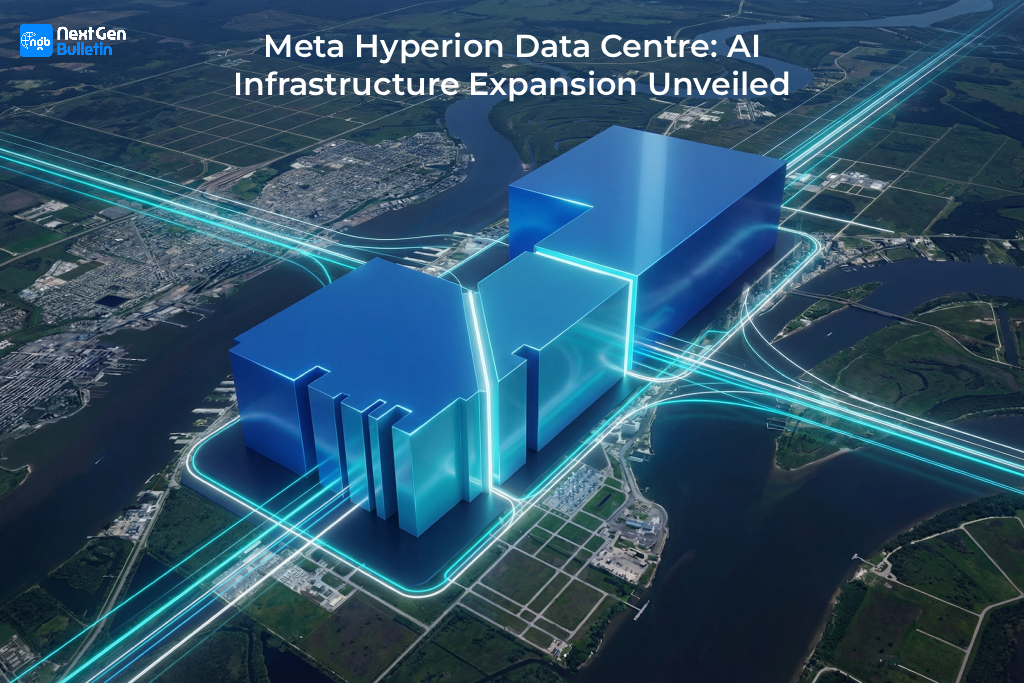
Supercomputer Race get energy power and component in stock market would be fast to makes high performance from demand vs supply ratio in new projection 2027.
• Stock market | Market Index |ETF |Commodity
$META (+2,09%) , $NVDA (+2,31%) , $TSLA (-1,54%) , $INTC (+0,77%) , $AMD (+3,66%) , $MU (+1,59%) , $ASML (+2,27%) ,$SNDK (+3,34%) ,$AVGO (+3,18%) ,$STX (+1,88%) ,$SKHYX (+1,99%)
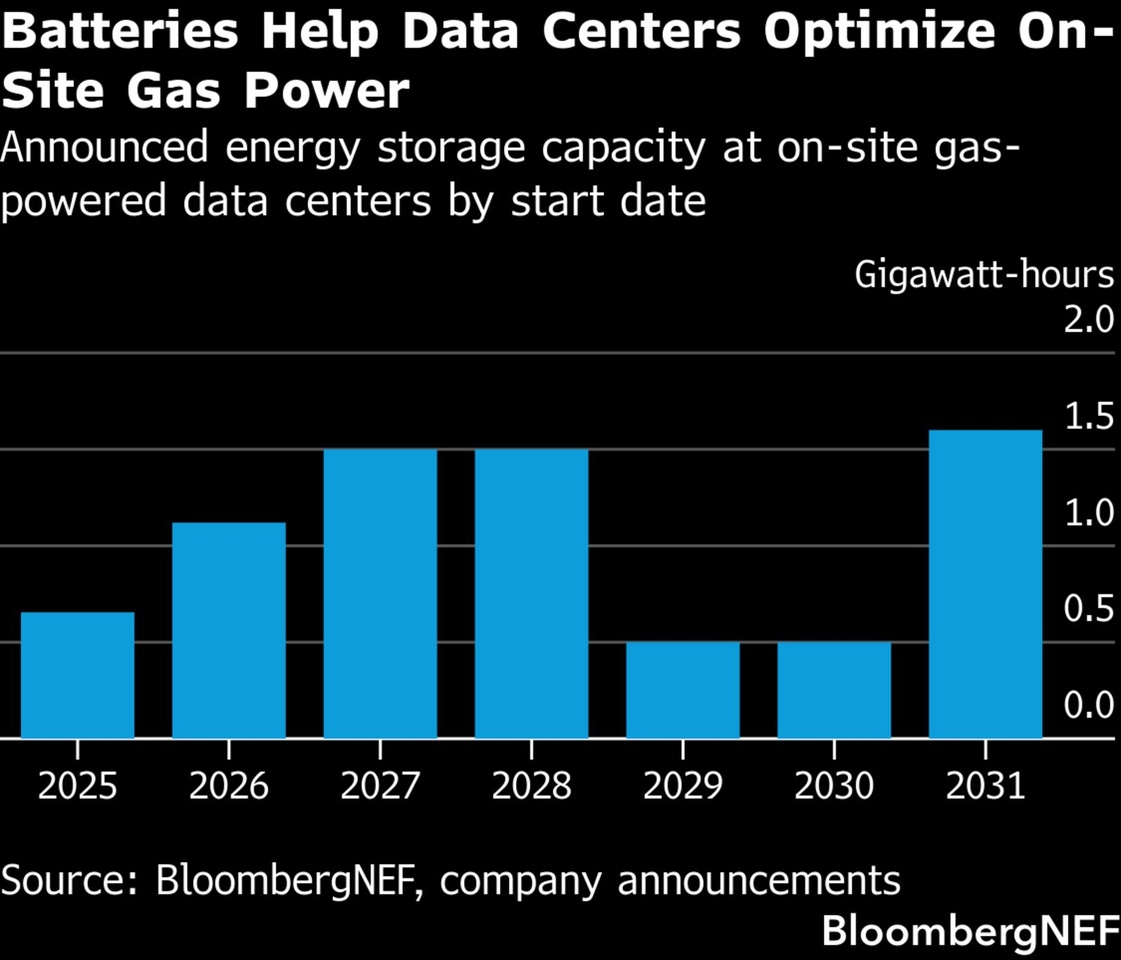
,$• Natural Gas and Battery for supporting energy power.
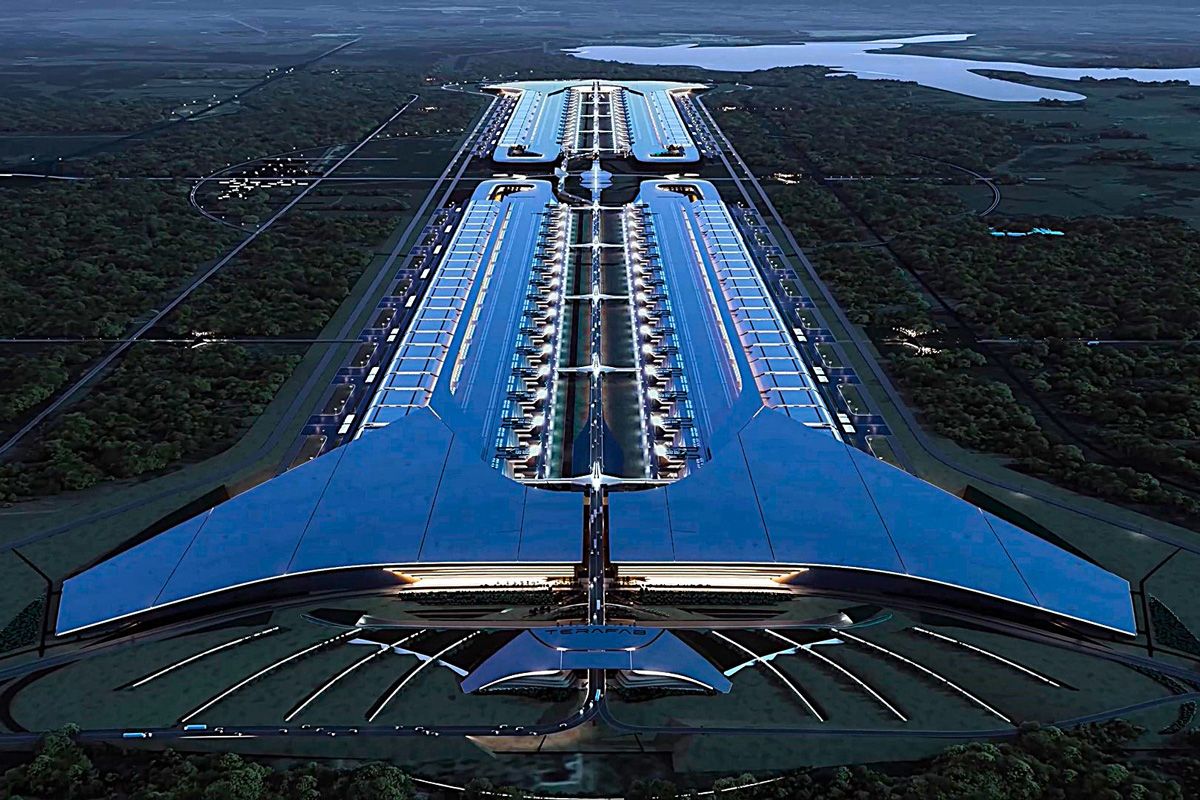
• Tera Fab Projection
+ 1
Principais criadores desta semana