

Summary:
- Semiconductor sector lost $1.3-1.4 trillion in value as investors revised expectations for AI-driven growth and valuation sustainability.
- Broadcom's 143% AI revenue growth triggered selloffs, exposing markets' intolerance for deviations from perfection in high-valuation stocks.
- Overextended multiples (Nvidia at 42x forward EV/EBITDA) created fragility, with sector leaders setting unrealistic benchmarks for the entire chain.
- Key watchpoints include Micron's earnings, rate policy shifts, and whether selling pressure spreads beyond semiconductors to broader tech indices.
- Cautious stance persists until earnings resilience and leadership stability confirm the selloff is contained rather than a systemic de-rating.
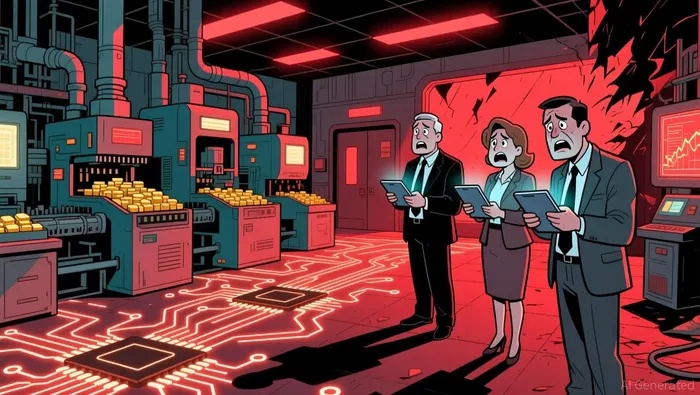
The $1.4 trillion reset exposed how little margin for error remained
This was more than a routine pullback. Yahoo Finance estimated the semiconductor complex lost about $1.4 trillion in market value Friday. That scale suggests investors were no longer just reacting to one earnings report. They were also revising how much room for disappointment chip valuations really had.
Broadcom showed that even strong growth could disappoint
The immediate trigger was not weak growth. It was expectations that had gotten ahead of reality. Broadcom ($AVGO (-4,09 %) ) posted AI revenue of $10.8 billion, up 143% year over year, but that still became a catalyst for a sharp selloff. When markets price stocks for near-perfect execution, even impressive growth can be enough to spark a repricing.
Leaders set the tone for the whole group
That tone was unusually bullish. Nvidia ($NVDA (-1,75 %) ) was trading at about 33 times trailing EV/EBITDA, with forward EV/EBITDA near 42, while ASML ($ASML (-2,59 %) ) commanded around 35 times forward earnings. In that setting, investors used sector leaders as a valuation anchor and assumed the rest of the chain could sustain similar multiples too.
That logic is fragile when expectations are high. The AI demand story may be real, but a strong long-term trend does not automatically justify every price investors are willing to pay in the short term. That gap is what made the group vulnerable once confidence cracked.
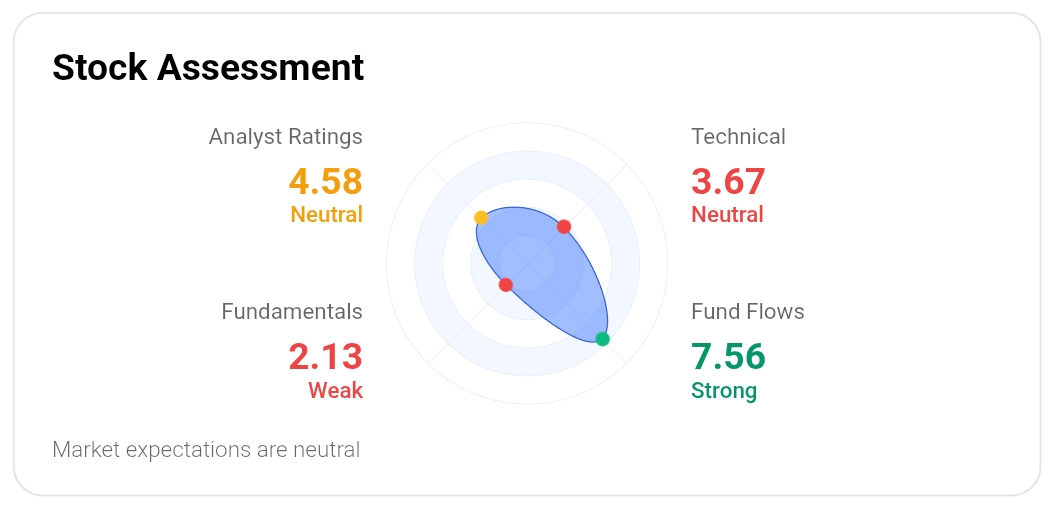
The debate: healthy rotation or the first real crack?
The bullish case says semis may be catching up last
- Bulls have a reasonable argument. The broader market is still broadly intact, with the S&P 500 and Nasdaq testing key moving averages and the broader trend still described as bullish despite the stress. In that view, semis are not breaking first. They are catching up last as pressure spreads from software to mega-cap tech and then to chips.
The bearish case says one miss was enough to shake the whole sector
- Bears focus on what Broadcom's report revealed about market psychology. It was not just that Broadcom delivered a modest miss on AI revenue guidance. It was that a company with AI revenue up 143% year over year to $10.8 billion still failed the perfection test. When one report can trigger a sector-wide selloff, the issue is no longer just growth. It is how little uncertainty investors are willing to tolerate.
What to watch next in chips?
The key test is whether this remains a controlled rotation or turns into a broader de-rating.
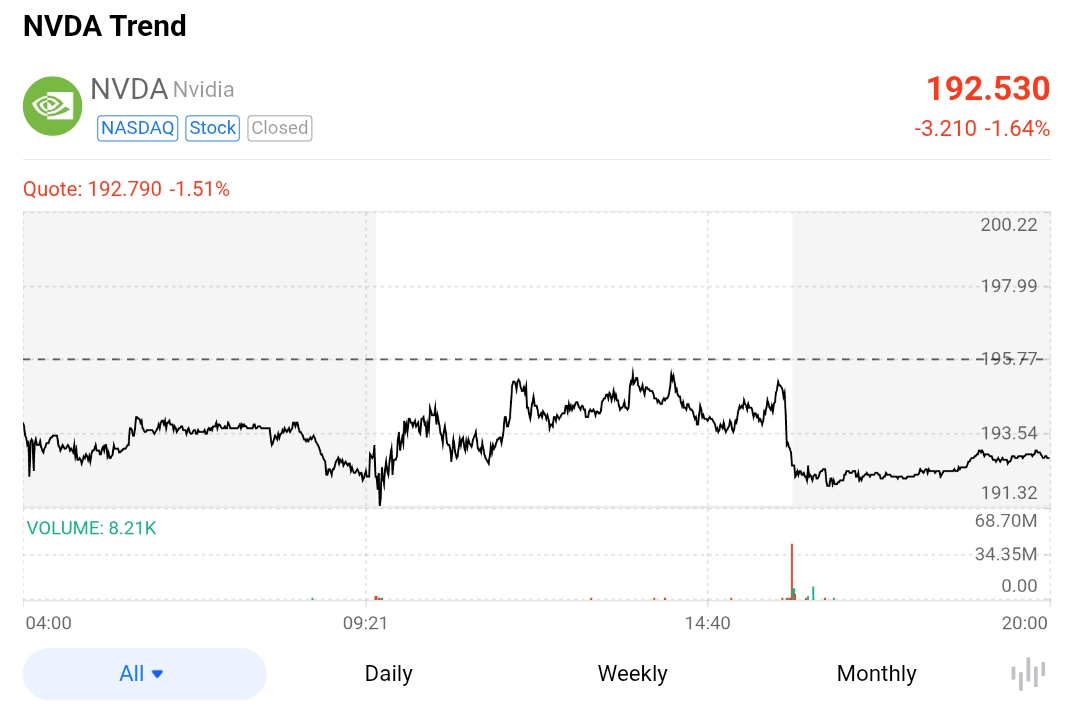
Watch breadth first
- The clearest signal is whether selling continues to move from software to the Magnificent Seven and now to semiconductors while major indices test key moving averages. If that pattern holds, the market is still punishing stretched expectations across tech rather than resolving one weak link. If mega-cap leadership regains control, the panic may burn off faster than bears expect.
Then watch MU and memory expectations
- Micron ($MU (-6,43 %) ) matters because the market is already trading with anxiety ahead of Micron's earnings, and that pressure is mixing with expectations for a steeper path for interest rates. Memory is a good stress test for the sector because expectations are already high and any miss or cautious tone could ripple through the whole group.
- - -
⁉️ For now, the posture stays cautious: do not assume the reset is over until earnings and leadership stop confirming the rotation.