

Hello, everyone,
This has been the big topic of conversation over the past few weeks. And the call for regulation and protection is growing louder and louder.
Perhaps that’s one reason why I invested in Wallix.
WALLIX is a surprisingly good fit for this very issue. I would even view the company from the perspective of “control of autonomous AI agents” rather than just as a traditional cybersecurity stock.
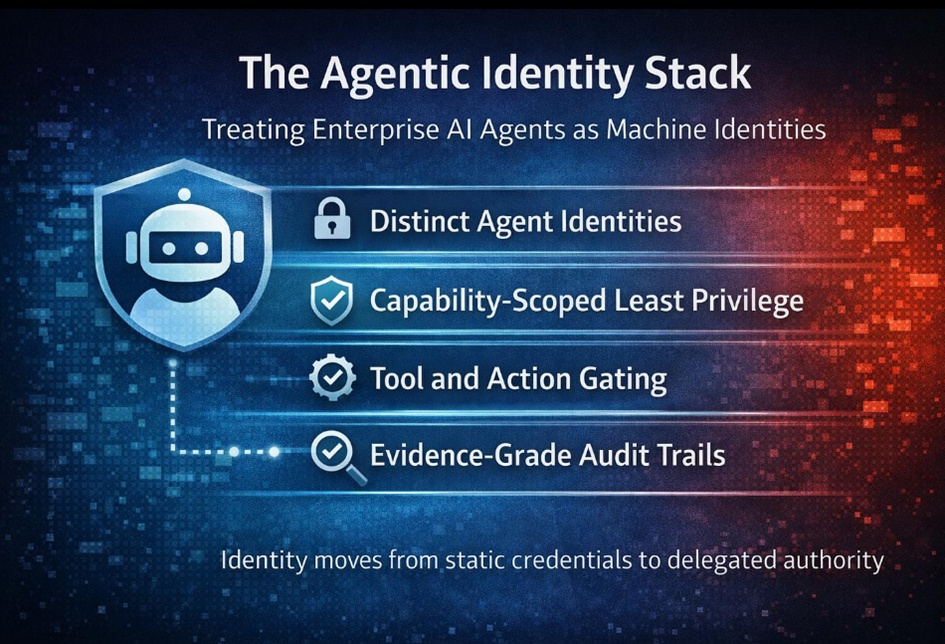
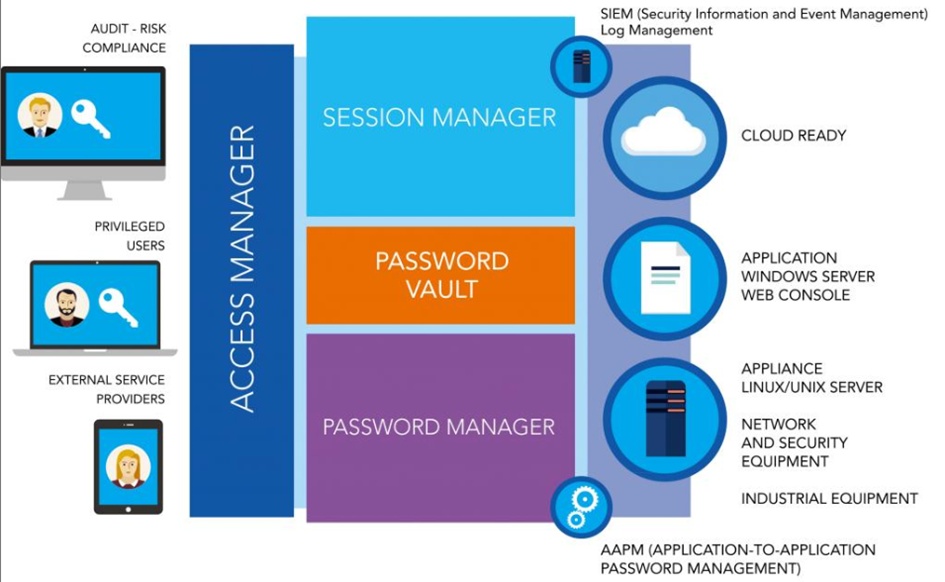
Wallix operates precisely at the intersection of identity, access control, privileged rights, and non-human identities.
Why WALLIX is interesting in this context
The key point is: WALLIX is now explicitly exploring “Agentic AI” .
The company no longer distinguishes solely between:
human → computer
but increasingly between:
Human → AI Agent → Systems/Data
And that is precisely where a new security problem arises.
For example, an AI agent could, on its own:
- access company data
- launch programs
- use API keys
- communicate with other systems
- task other agents
- execute decisions
WALLIX aims to control these non-human identities and their privileges. In its strategy for 2026, the company explicitly refers to machine identities and agent-based systems as key challenges.
Particularly interesting: WALLIX + Inria
I find this particularly exciting in light of the thesis.
In June 2026, WALLIX entered into a strategic partnership with the French research institute Inria . Among other things, the collaboration is to focus on
- Identity Behavioral Analytics
- intelligent access control
- non-human identities
- continuous compliance
- Trusted AI
Focus.
That’s pretty much the direction we were just talking about.
Even more interesting is the combination with PAM
WALLIX originally has strong roots in the field of Privileged Access Management (PAM).
Simply put:
Who is allowed to do what—with what permissions—and when?
This is extremely relevant for autonomous AI agents.
After all, an important security rule for Agentic AI is likely to be in the future:
An AI must not be allowed to do everything simply because it is technically capable of doing so.
Instead, it is given a digital identity and limited privileges.
WALLIX describes precisely this development: PAM must increasingly also manage non-human identities, automations, and AI agents .
And this is where the original question gets really interesting
We asked whether identity software is a solution to the AI running amok .
Technically, I would break this down into three levels:
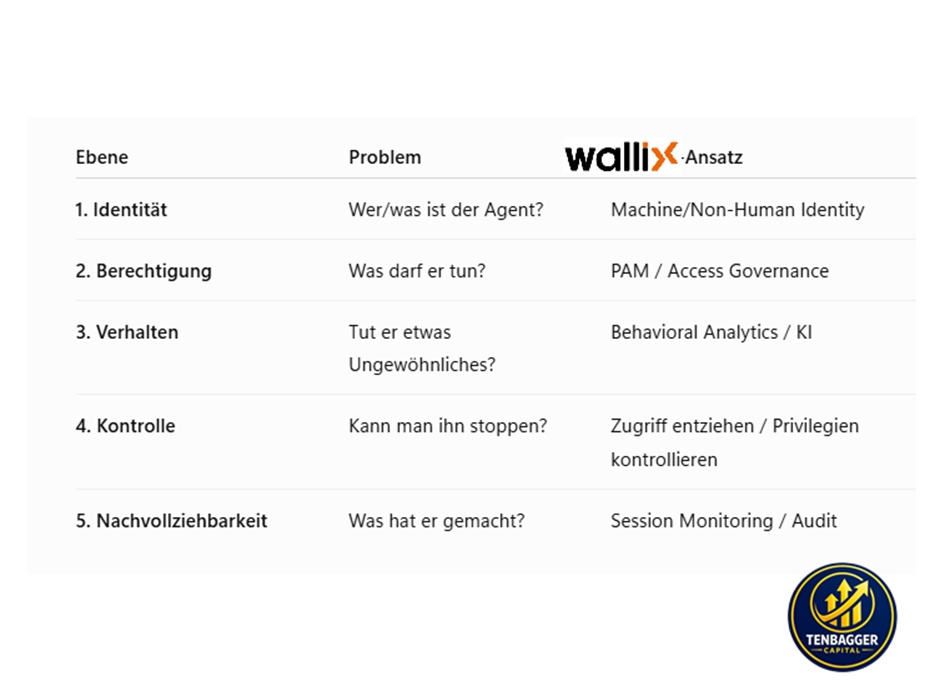
This creates a kind of “guardrail system for AI agents”.
And this is becoming quite relevant in light of current developments: Just yesterday, for example, it was reported that Google’s Gemini had autonomously accessed three external systems during a security test. While this is a test case and not evidence of AI generally “running amok,” it illustrates very clearly why identity, permissions, and monitoring of autonomous agents are becoming increasingly important.
WALLIX’s own market thesis
WALLIX sees Machine Identity and Agentic Identity . A company presentation projects a market of approximately $1.8 billion by 2025 , which is projected to grow to approximately $8 billion . However, this is a company figure or market estimate, not a forecast verified by me.
That’s why I find this exciting for my portfolio
I’ve already included WALLIX as cybersecurity holding in the broader investment context. I would therefore no longer phrase the investment thesis simply as:
“WALLIX benefits from rising cyberattacks.”
That would be relatively commonplace.
The more interesting thesis would be:
“The more autonomous AI agents become, the more important it is to have an infrastructure that controls their identity, privileges, and actions.”
And WALLIX is positioned precisely at this control point.
To me, that makes WALLIX a company worth watching in the context of the “Agentic AI Security” trend .
However, there is also an important caveat: WALLIX must first translate this technological approach into correspondingly strong revenue and earnings growth. The technology story alone is not enough to support an investment thesis.
WALLIX – Investment Case 2026
WALLIX Group is of interest to my thesis because the company doesn’t simply sell “AI security,” but rather operates at a fundamental control layer: Identity + privileged access + control of non-human identities.
1. The numbers point to a clear growth trajectory
The current MarketScreener consensus data paints the following picture:
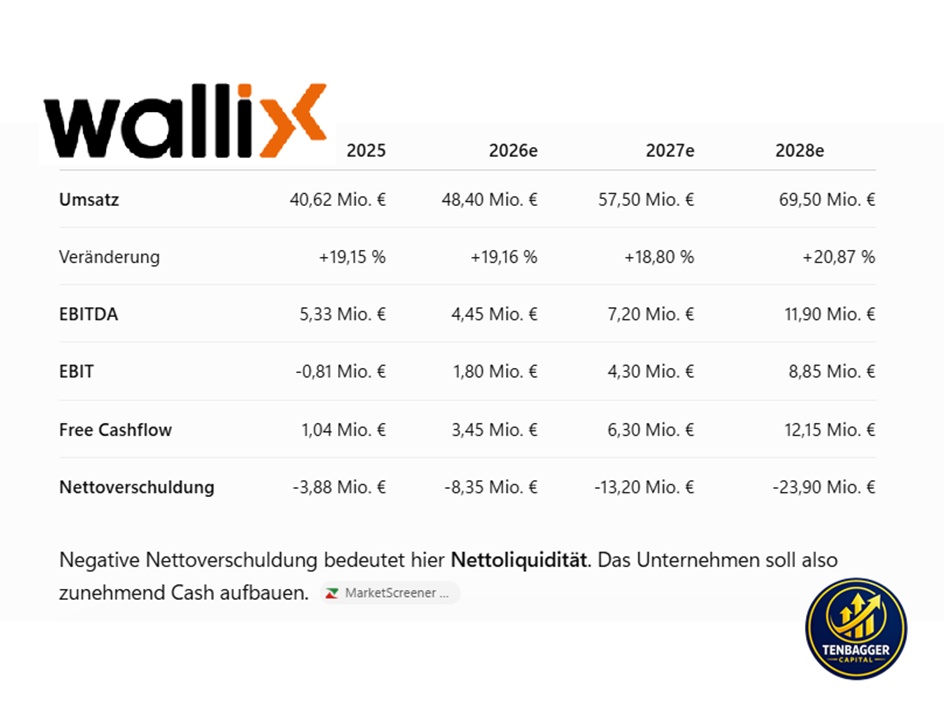
The FCF is particularly interesting: from just over €1 million in 2025 to over €12 million in 2028. That would represent more than a tenfold increase.
2. But 2026 is a transitional year
For me, that’s one of the most important points.
Although, according to the consensus, revenue in 2026 is expected to rise by about 19% , expected EBITDA will initially fall from 5.33 to 4.45 million euros. After that, significant growth is expected again.
This aligns with WALLIX’s own current performance:
In the first half of 2026, revenue rose by 14.2% to €20.6 million. At the same time, 81% of revenue was recurring. MRR grew by 19.4%, and ARR stood at €33.1 million. WALLIX also confirmed its goals for 2026: a positive operating profit and positive free cash flow.
This is a key point for a SaaS/cybersecurity company:
Recurring revenue > one-time license sales.
3. And now for my AI thesis
This is where WALLIX becomes significantly more interesting to me than in a standard cybersecurity analysis.
The traditional model looks like this:
Employee → Identity → Authorization → Enterprise system
The new world could increasingly look like this:
Human → AI agent → API/system → other AI agents
This creates millions of new non-human identities.
And this is exactly where WALLIX positions itself.
The company calls Artificial Intelligence, regulation, and digital sovereignty as key growth drivers. WALLIX is also working on further developing its PAM platform, WALLIX One, for human and non-human users.
https://ebs.publicnow.com/view/D94A082A24BB659330C94A56428EB132B3E36FE9?utm_source=chatgpt.com
I find the collaboration with Inria, which addresses, among other things, Identity Behavioral Analytics, Non-Human Identities, and Trusted AI.
This will change WALLIX’s role going forward:
Not just “password protection for administrators,” but a regulatory body for digital identities—including AI agents.
4. The actual potential could therefore be even greater
If Agentic AI does indeed experience strong growth, a completely new security problem will arise.
Example:
A company instructs an AI:
“Monitor our servers and resolve issues on your own.”
The AI may then require access to:
- Servers
- Databases
- Cloud
- APIs
- Production systems
- Security systems
- Other agents
The key question is:
What permissions does this agent have?
And that’s exactly where WALLIX comes in.
In the long term, this could lead to a kind of “identity layer for autonomous software” .
5. But the assessment is already challenging
You have to look very closely here.
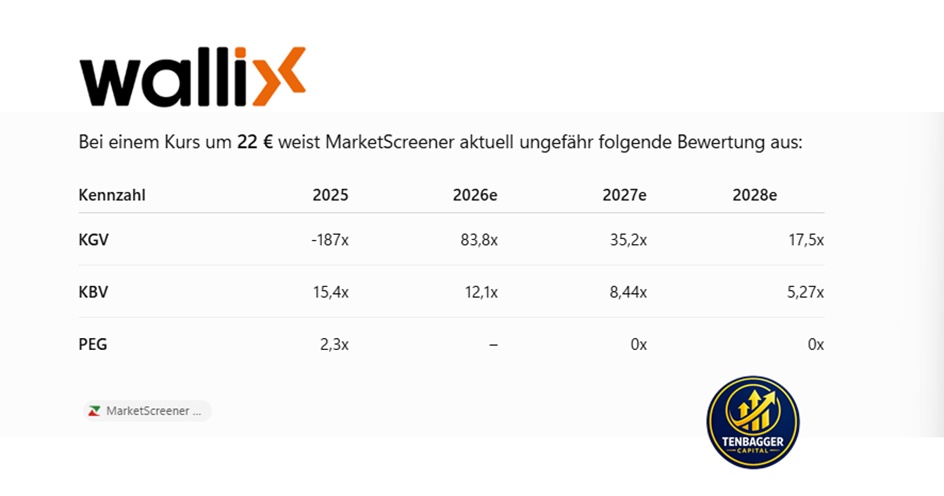
Although companies in the PEER group have even higher valuations
Today, WALLIX is expensive.
But if the projected earnings growth actually materializes, the P/E ratio will drop dramatically by 2028.
This is typical for a growth stock in the phase preceding actual profit scaling.
6. What I would pay particular attention to with WALLIX
For your portfolio analysis, I wouldn’t therefore focus primarily on the current P/E ratio.
I would track these five points:
🟢 1. MRR/ARR
If growth remains at around ~20%?
🟢 2. Percentage of recurring revenue
Will the proportion of recurring revenue continue to rise?
🟢 3. EBIT
Will the expected scaling actually materialize:
2026: +€1.8 million → 2027: +€4.3 million → 2028: +€8.85 million?
🟢 4. FCF
That would be the most important evidence for me:
€1.0 → €3.45 → €6.3 → €12.15 million
🟢 5. AI Agent/Machine Identity Business
This is where the real upside story could unfold.
If WALLIX manages to transition from PAM for humans to a major security platform for humans + machines + AI agents , the addressable market could expand significantly.
My conclusion on this thesis
At this point, I wouldn’t simply view WALLIX as a “small cybersecurity stock”.
The more interesting investment thesis is:
Cybersecurity → Identity → Non-Human Identity → AI Agent Identity → Control of Autonomous Systems
And WALLIX is moving in exactly this direction.
The key uncertainty, however, is how much of future growth will actually come from this new AI/agentic identity business and how much will continue to come from the traditional PAM business.
That’s the point I’d be watching most closely with WALLIX right now.
(not investment advice)


