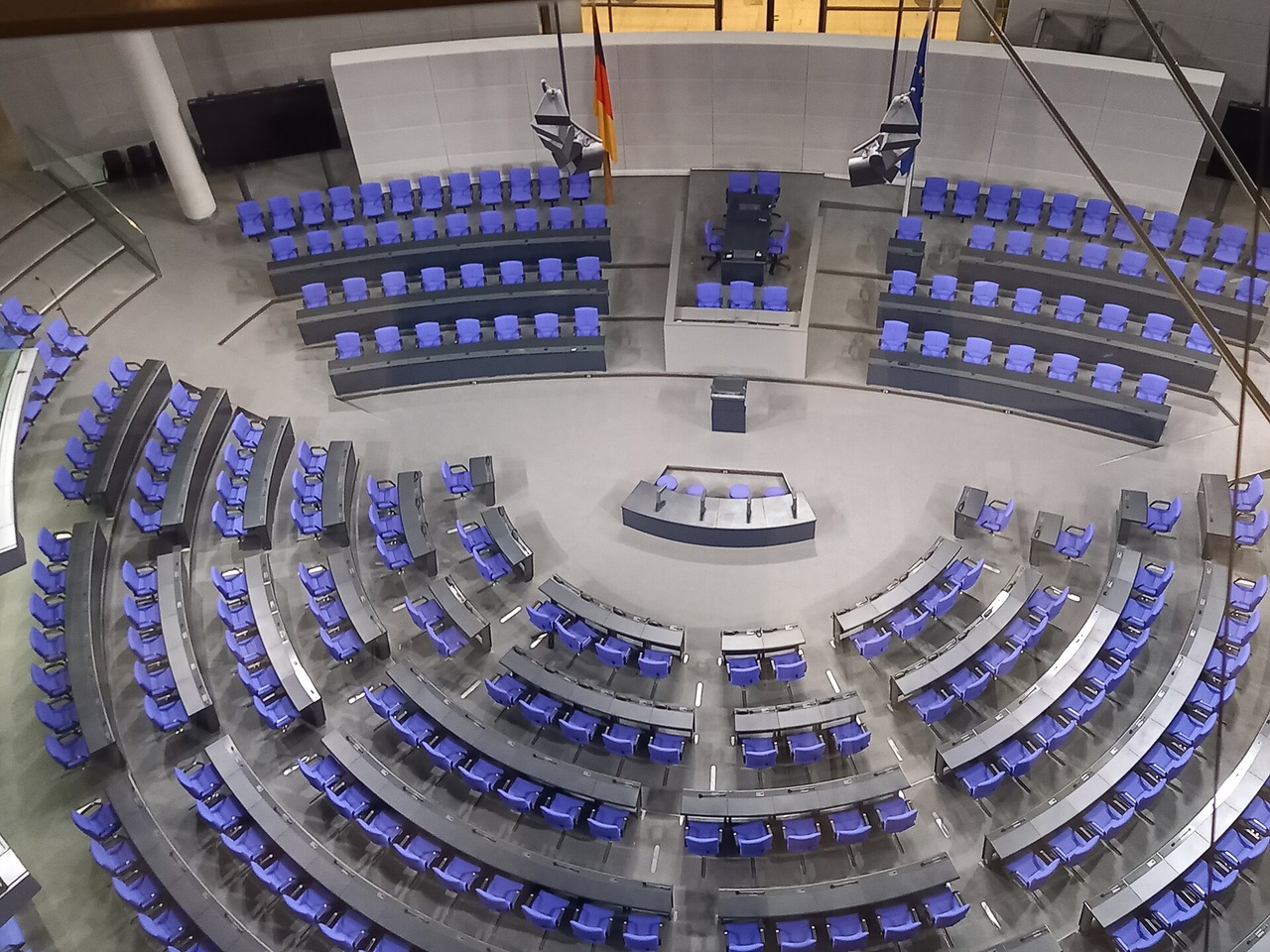
And there is a good reason for this. In Germany, the law simply does not stipulate that insider trading by politicians must be made public. In the USA, the reporting limit is only $1,000 - all trades that exceed this value must be published. This doesn't do much good at first, because it doesn't stop members of parliament per se from shamelessly enriching themselves.
In Germany, however, the regulation is even more blatant. Here, politicians are allowed to invest up to 5% of the market cap in a company without having to tell any stupid voters. With a company like $RHM (-9,84%) (which has performed +1650% within a few years), a politician could own share packages worth around 3 billion euros without anyone having the right to even ask questions about bias. By way of comparison, managers are only allowed to make trades of €50,000 per calendar year in their own company without having to make this public.
If you now add general financial law, the limit drops to around 3% of the market cap to really ensure that you remain completely anonymous. That would be around €2 BILLION in Rheinmetall alone. Of course, the limit then applies per company and there are also several defense companies and other interesting sectors, for example in the ... uh healthcare sector ... aren't there?
So while we pathetic little citizens here are struggling to somehow not end this year with a bottomless minus, the decisions about all this are not made by us, but by people who would at least have had the opportunity to become multi-billionaires completely legally and secretly. At least that's exactly what I would have done. And that perhaps also explains why some politicians are fighting with their lives against certain crises ever ending.