

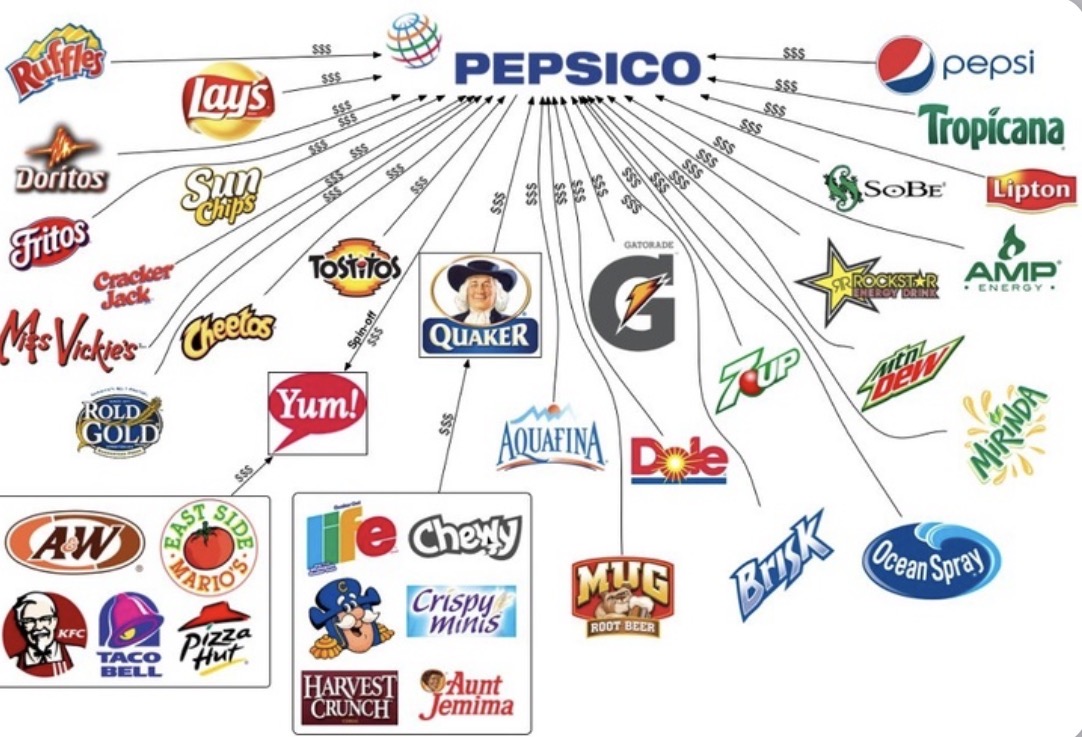
On February 3, 2026, PepsiCo published its figures for the fourth quarter of the 2025 financial year - and they show a mixed but essentially solid picture: sales and profits were above analysts' expectations, while at the same time the beverage and snack giant is warned of growing structural problems.
Turnover and profit: expectations exceeded
PepsiCo generated sales of USD 29.34 billion in the fourth quarter, which corresponds to growth of around 5.6% compared to the prior-year period and slightly exceeded average analyst estimates. Adjusted earnings per share (EPS) were USD 2.26, also above the consensus of around USD 2.24.
The strong result was mainly due to price realizations and operational improvements, which had a positive effect on profitability despite weakening sales volumes. PepsiCo itself spoke of a "sequential acceleration" in sales growth - an expression that, translated into figures, indicates stabilization despite uncertain demand.
Drivers and structural weaknesses
There is a certain double-edged nature to both the snack and beverage business:
- The overall volume of products is declining in North America, which indicates consumer reactions to earlier price increases.
- Although the sharp price increase has boosted sales, it has also increased the pressure on demand - a classic problem in a price-sensitive consumer environment.
In response, PepsiCo has announced that it will cut prices on core brands such as Lay's and Doritos by up to 15 % in order to bring more volume back into the business and counteract the trend. This measure is unusual for a group of this size - but it shows the impact of competition and consumer change.
View of distributions and capital measures
A highlight of the release was the 4% dividend increase to USD 5.92 per share, continuing the five-decade long dividend increase. PepsiCo also announced a USD 10 billion share buyback program to run until 2030 to further reward shareholders.
These steps signal that management is sticking to its capital market strategy despite growing market uncertainties and wants to strengthen shareholder value.
Outlook and strategic implications
For the current year, PepsiCo has again forecast organic sales growth of 2-4% and an EPS increase of 5-7%, which can be seen as cautiously positive in view of the current macroeconomic situation.
However, the following can be seen between the lines of the quarterly figures:
- Price pressure and changes in demand are forcing PepsiCo to rethink traditional pricing models.
- The reaction to consumer feedback shows that the company must not only pay attention to internal efficiency, but above all to external consumer trends.
Conclusion: understand, but do not overestimate
The current PepsiCo figures are "better than expected" in many classic key figures. However, they also reveal structural challenges: Consumer price sensitivity, weaker volume growth in core regions and the need to adjust the product portfolio and pricing strategy.
For investors, this means that PepsiCo remains a strong cash cow company with attractive dividends and a robust business model. In the long term, the decisive factor will be how successfully the management can maintain the balance between growth, demand and pricing - and whether the Group manages to regain momentum in an increasingly challenging market.


