The major Swiss bank UBS has fundamentally changed its stance on the French luxury goods group Hermès and downgraded the stock from Neutral to Sell. The price target was slashed from 1,695 euros to 1,168 euros. This significant revaluation marks a remarkable turning point for a stock that has long been considered virtually untouchable in the luxury segment.
At the heart of the analysis are concerns about the brand’s long-term exclusivity. According to analysts, Hermès has been steadily expanding production in recent years. Estimates suggest that approximately 65 percent of revenue in the leather goods segment now comes from non-quota or freely available bags. What was once protected by strict, artificial scarcity is gradually shifting toward a more conventional consumer goods model. As a result of this development, the brand is losing some of its absolute exclusivity.
According to UBS, this also has immediate consequences for the company’s business profile. The company is becoming increasingly cyclical and more vulnerable to economic fluctuations in the global luxury market, as the hoped-for rapid market recovery has proven to be premature. Accordingly, financial forecasts have been significantly revised downward. For 2027, the bank lowered its earnings per share estimates by 10 percent to 43.98 euros, which is noticeably below the broad market consensus. For 2028, an even wider gap from analysts’ expectations is forecast.
A key driver of the weaker earnings outlook is the expected pressure on margins. The operating margin is expected to decline to around 38.3 percent in 2027, which is about 100 basis points below the previous year’s level. This is due to lower economies of scale resulting from slower growth, higher spending on communications and marketing, and negative effects from currency hedging. Added to this is a permanently higher effective tax rate, which the bank now factors into its models. For organic revenue growth, UBS now expects only more moderate rates in the mid- to high-single-digit range in the coming years.
Despite this slowdown in growth, the stock continues to trade at a high valuation level. Based on earnings estimates for 2027 and 2028, the price-to-earnings ratio is estimated to be between 27 and 29 times earnings. From the analysts’ perspective, this valuation implies unrealistically high long-term expectations that are likely to be tempered by operational realities. The new price target of 1,168 euros is based on a combination of an adjusted discounted cash flow model and a peer-group valuation and signals further downside potential at the current price level. The bank cites unexpectedly strong product innovations as a potential risk to this pessimistic assessment, as they could still unexpectedly accelerate global growth.
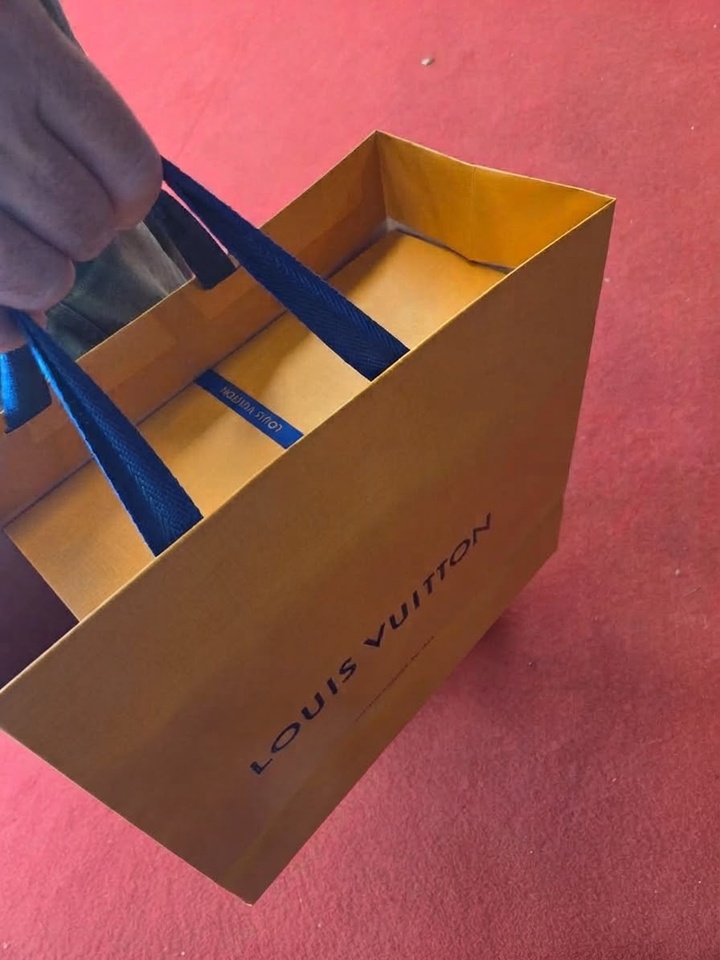
(Note: So much for a lack of exclusivity and waning demand—with the best will in the world, I simply cannot agree with this UBS analysis here in Zurich! After dutifully boosting Asian sales in Hong Kong just last month, I wanted to make my local contribution at the Hermès store in Zurich on Saturday at 5 p.m. The result: A sign on the door read “Closed due to overcrowding”—you simply couldn’t get in anymore! So I had no choice but to leave my hard-earned money with the competition. It was (in parentheses) absolutely packed there, too, but at least they were charming enough to let me in. In any case, there was absolutely no sign of a cooling consumer mood in Zurich at five o’clock sharp in the afternoon!)
Hong Kong:

Zurich: