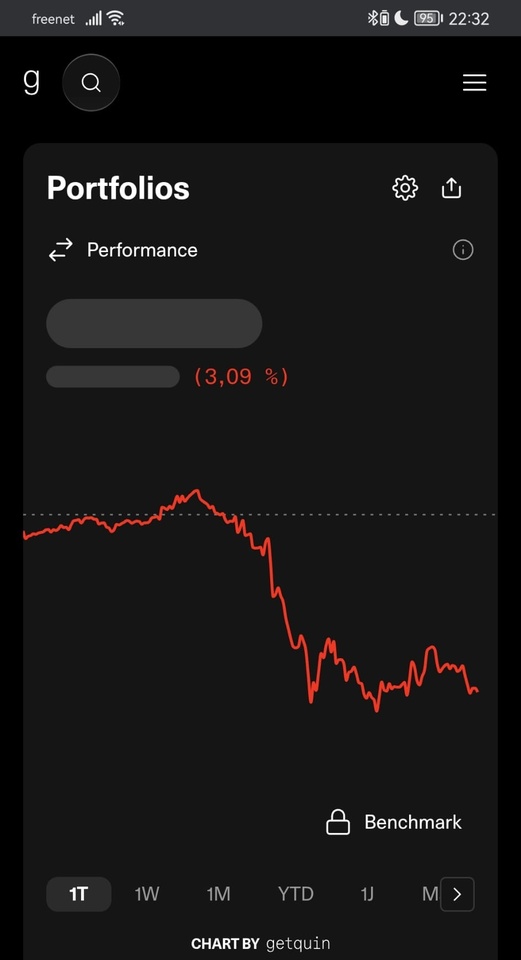
The market is under pressure today. The S&P 500 ($SPY (+1,35 %) ) is down sharply today (~ -4.5%), and the Nasdaq ($QQQ (+2,93 %) ) is down even more, at -6.5%.
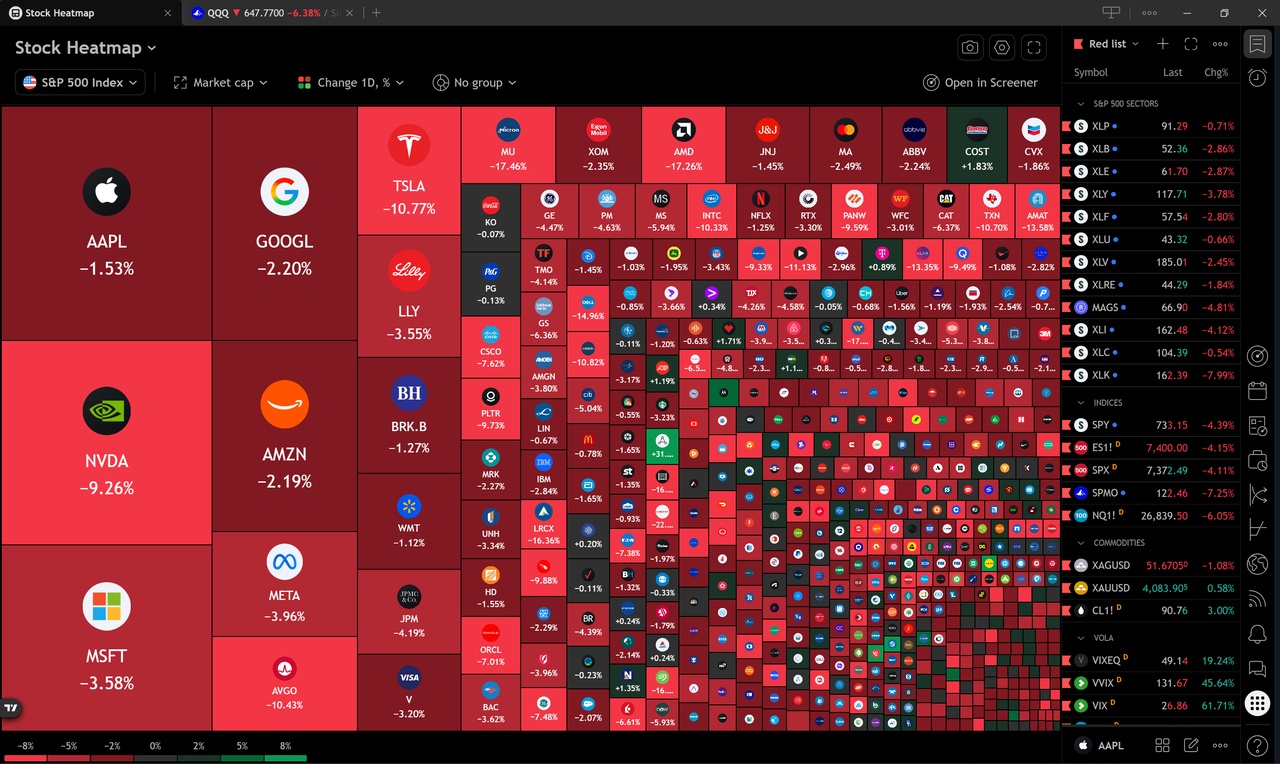
Why is the market crashing so badly today? On Wednesday, the first significant results from the U.S. midterm elections came in (the outcome became clear in the early morning hours after Donald Trump congratulated the Democrats). Of particular focus: Texas. There, a Democratic woman unexpectedly won the governorship. The implication for the markets: Democrats are critical of the rapid development of AI and have raised concerns about the enormous electricity and water consumption of data centers. In addition, there are threats of construction freezes for new chip factories and data centers. Since a huge portion of U.S. semiconductor and energy production is located in Texas, energy and semiconductor stocks were the first to be sold off. Today, this panic spread throughout the entire S&P 500.
While nearly all the positions in my portfolio are deep in the red, there is one position that is shining exceptionally brightly today: Long OTM put on the SPY (strike price 650, expiring March 2027).
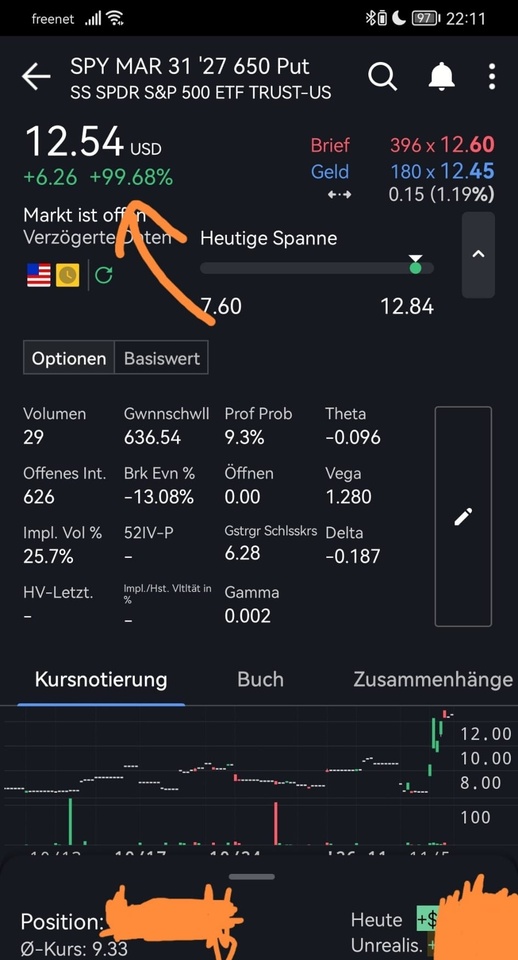
What is that?
Why would anyone buy something like this, and how does it work? Here’s a brief overview:
A long put (a purchased put option) is essentially insurance against falling prices.
- How it works: By buying a put, you acquire the rightto sell the underlying asset (in this case, the SPY ETF) at a fixed price (the strike price, e.g., 650) by a specific date (March 2027), even if the market hits rock bottom. If the market falls well below this strike price, the option gains massive value.
- OTM (Out of the Money): The strike price of 650 was significantly below the market price at the time of purchase. Such options are far out of the money, but as a result, they cost only a fraction of what an “in the money” hedge would cost.
1) The Setup: Hedging When No One Else Is Thinking About It
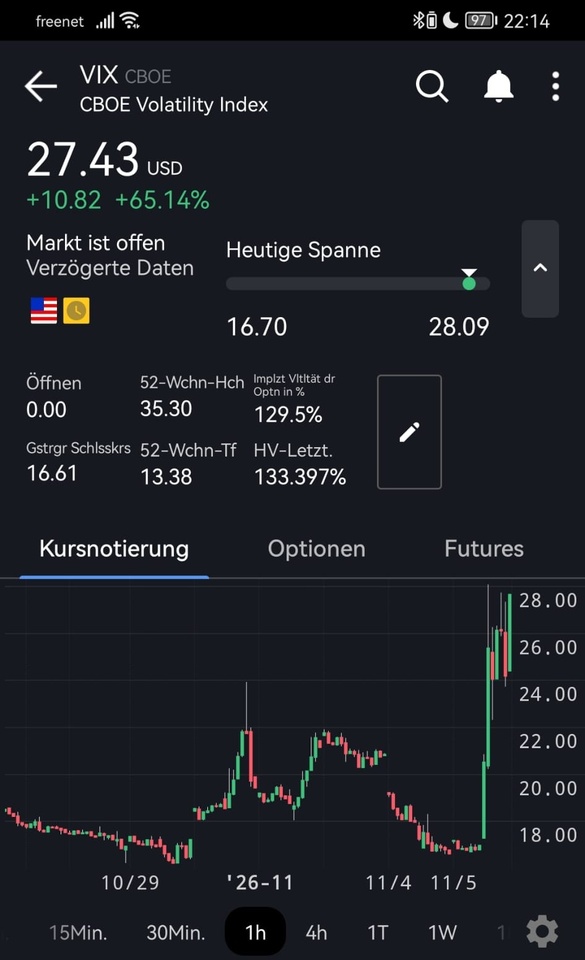
- In mid- to late August, the VIX (the volatility index) was at times hovering below the 14 mark
- Implied volatility was extremely low
- Hedges against price losses were dirt cheap
- It is precisely these kinds of periods that are ideal for adding a low-cost “comprehensive protection shield” to your portfolio.
2) The Ordeal: Theta & Vega Compression
- Theta (time decay): Every day the market moves sideways or rises erodes a little of the option’s value.
- Vega compression: As long as the market remained calm, implied volatility continued to fall, which further depressed the value of the put.
3) Turning Point: The Power of Delta & Vega
- The VIX shoots up by over +65% to about 27 points .
- Vega explosion: The massive rise in implied volatility acts like a turbocharger. Every additional percentage point in the VIX causes the option’s value to rise sharply (completely regardless of how far the underlying asset falls).
- Delta leverage: Due to the sharp decline in the SPY’s price, the option also gains massive value simply from the price movement alone.
Conclusion
No one knows exactly when a VIX spike will occur. But when volatility is at rock bottom, it’s worth allocating a small portion of the portfolio as insurance. When the market then crashes, hedging is really rewarding.
Although my portfolio is in the red today even with this hedge, I’ll have liquidity exactly when I need it most.