IQM Quantum Computers $IQMX (+2,54 %) held its very first earnings call (Q2 2026) as a publicly traded company. Since we already had this stock on our radar when it went public, here’s a brief update on its finances and strategy to bring everyone up to speed:
1. The Raw Numbers (Cash Reserves & Orders)
- Full coffers: The IPO delivered. Post-IPO, IQM sits on a hefty €309.4 million in cash. Management has clearly communicated that this fully funds the company through the second quarter of 2028. So, for now, the risk of dilution from rapid capital increases is off the table.
- Revenue for H1 2026: With €8.9 million in the first half of the year, revenue is still quite modest (see point 2 for why this is the case).
- Order backlog explodes: This is where the real action is. The backlog stood at 69.1 million € at the end of Q2. However, since the massive deal for the LUMI supercomputer was added after the end of the quarter, the order backlog currently stands at over €102 million.
- 2026 Annual Forecast: The target is €42 to €47 million in revenue with new order intake of €65 to 75 million.
2. Revenue Dynamics (All Eyes on Q4)
Companies that manufacture physical hardware have extremely “lumpy” balance sheets. For quantum computers, the cycle from order placement to revenue recognition takes 1.5 to 2 years (including preparation, vacuum testing, and on-site calibration). This means: The annual forecast is extremely Q4-heavy. The lion’s share of revenue for 2026 hinges on the planned delivery and customer acceptance of their new 150-qubit system at the end of the year.
3. The Strategic Moat & AI Potential
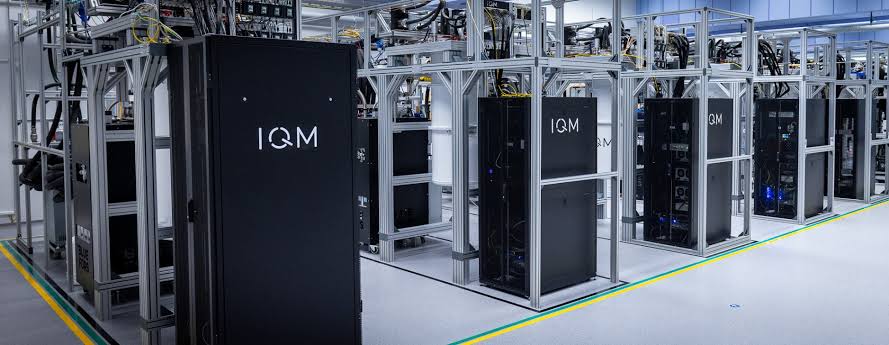
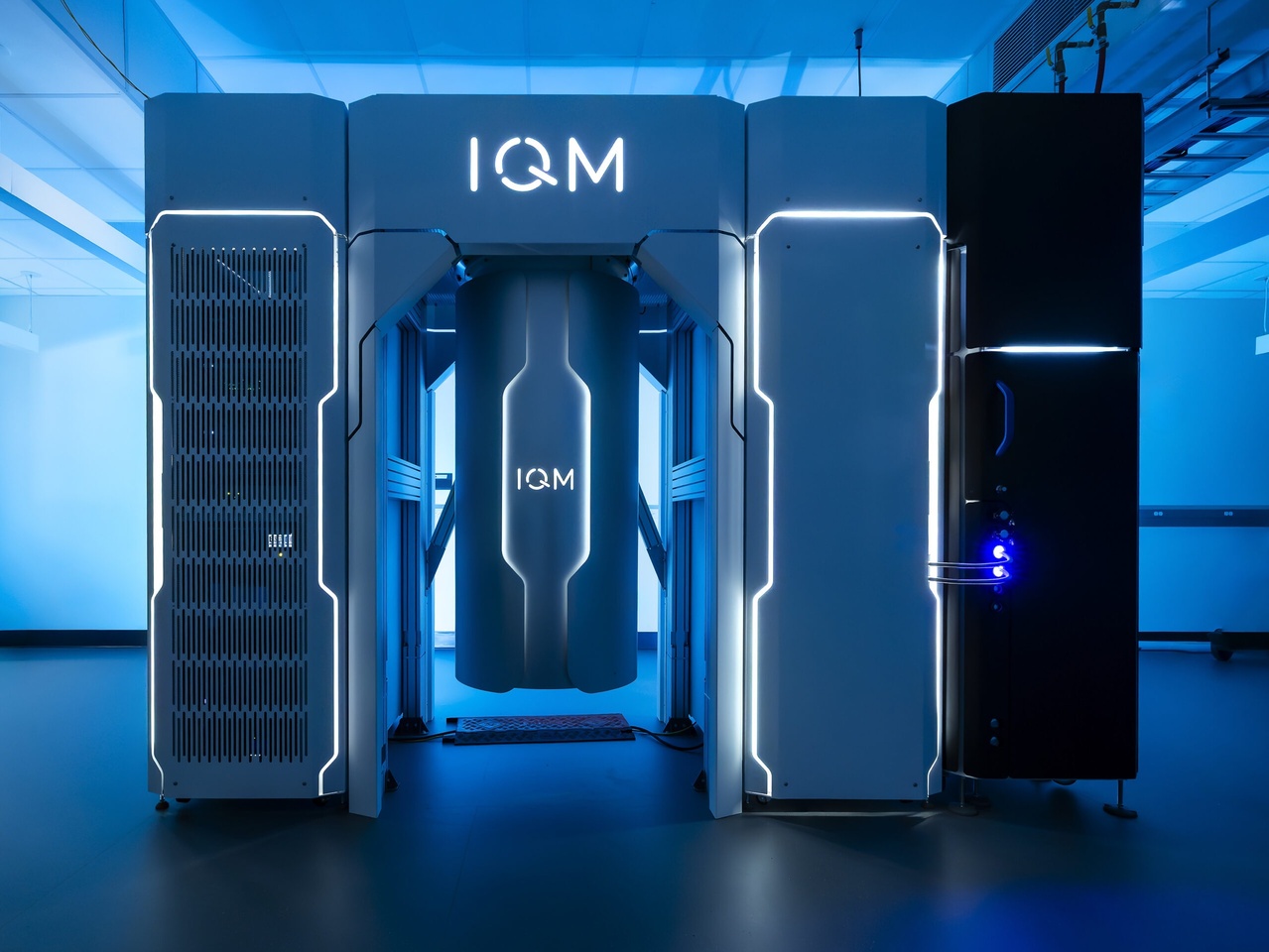
- "Production Quantum" Instead of Pure Cloud: IQM sets itself apart from many competitors because it physically builds fully functional full-stack quantum computers at customers’ data centers (“on-premise”). Results to date: 26 systems sold, 17 successfully delivered.
- Hybrid AI integration: IQM does not view quantum computers as a stand-alone solution, but rather as a specialized accelerator within AI and supercomputing workflows. Here, they work closely with industry heavyweights such as NVIDIA and HPE to directly integrate their systems with conventional CPU/GPU clusters.
Our takeaway:
The commercial case remains sound, demand is real, and there’s enough capital to last for the next few years. However, investors in this space need to have nerves of steel when it comes to hardware, as quarterly results are inherently volatile. The litmus test will be the fourth quarter, when the 150-qubit system must be brought across the finish line.